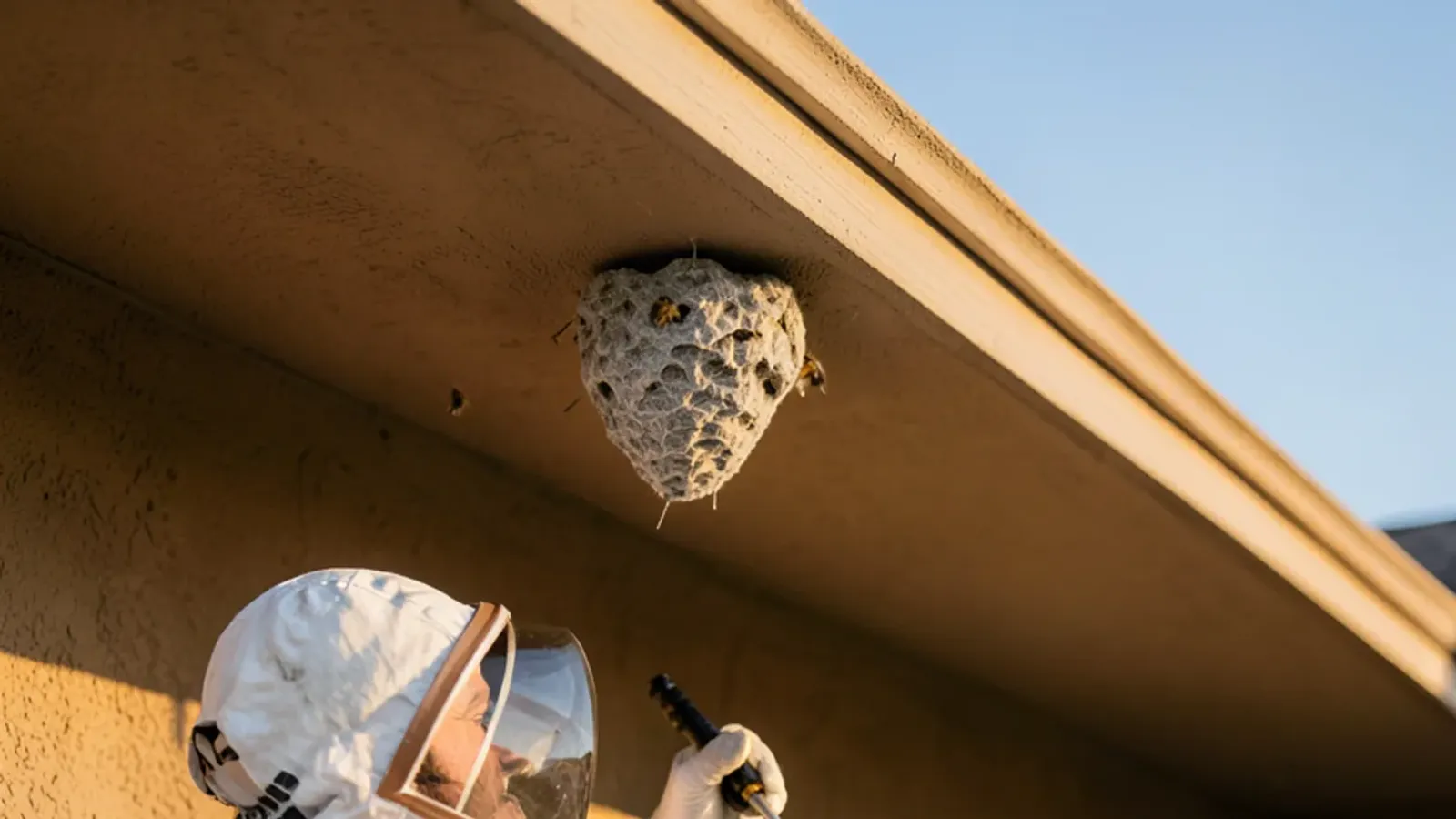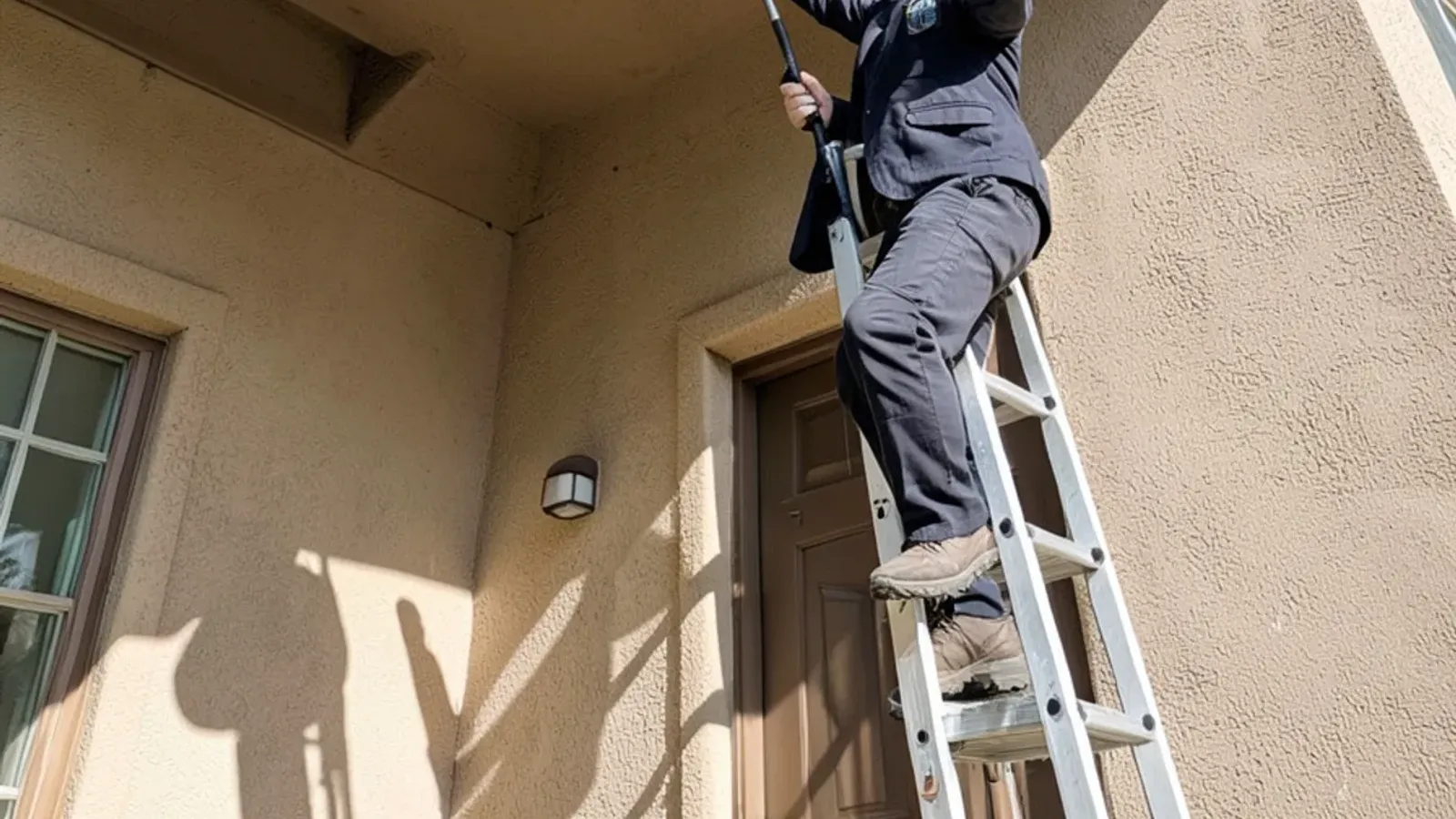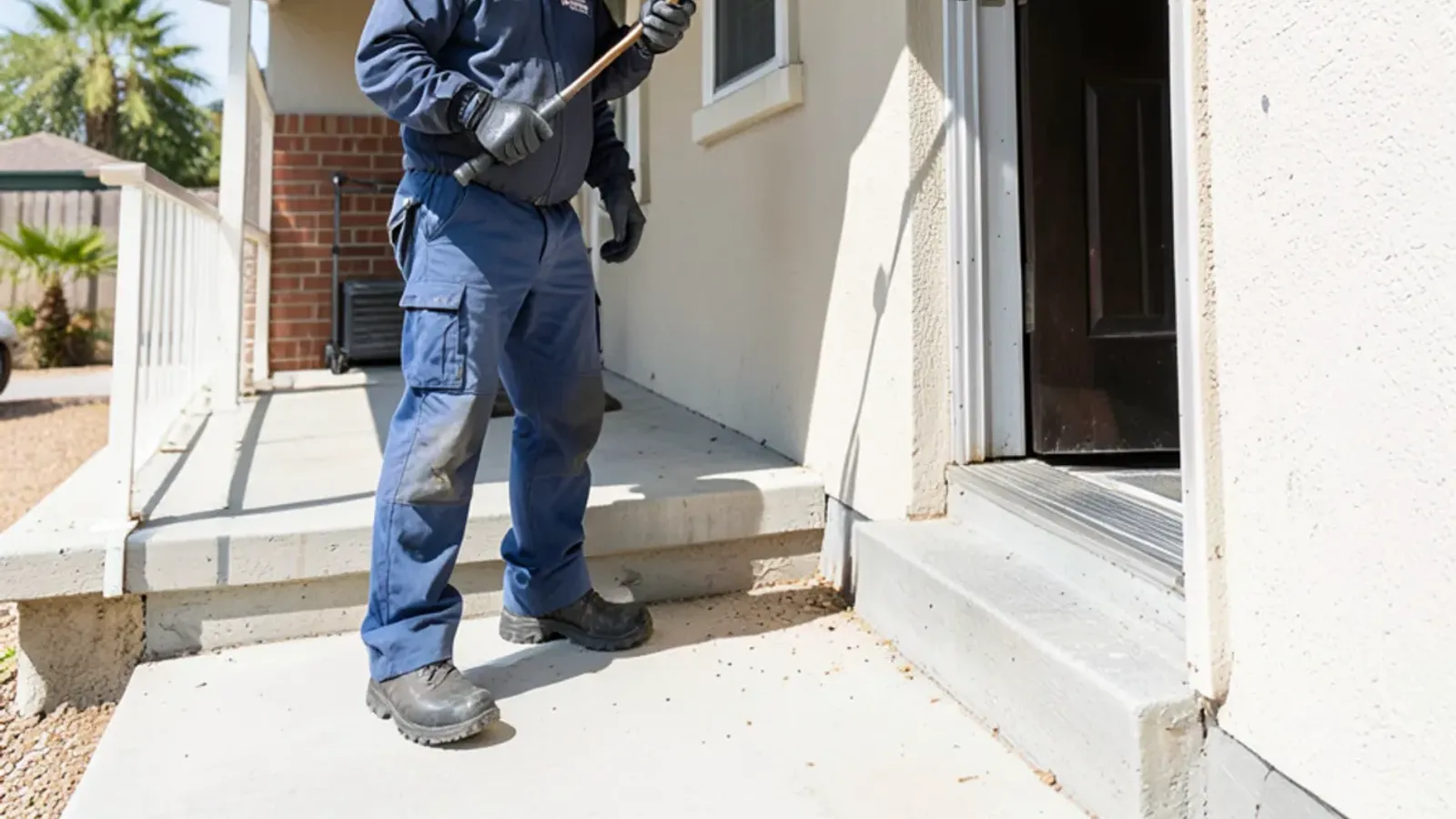
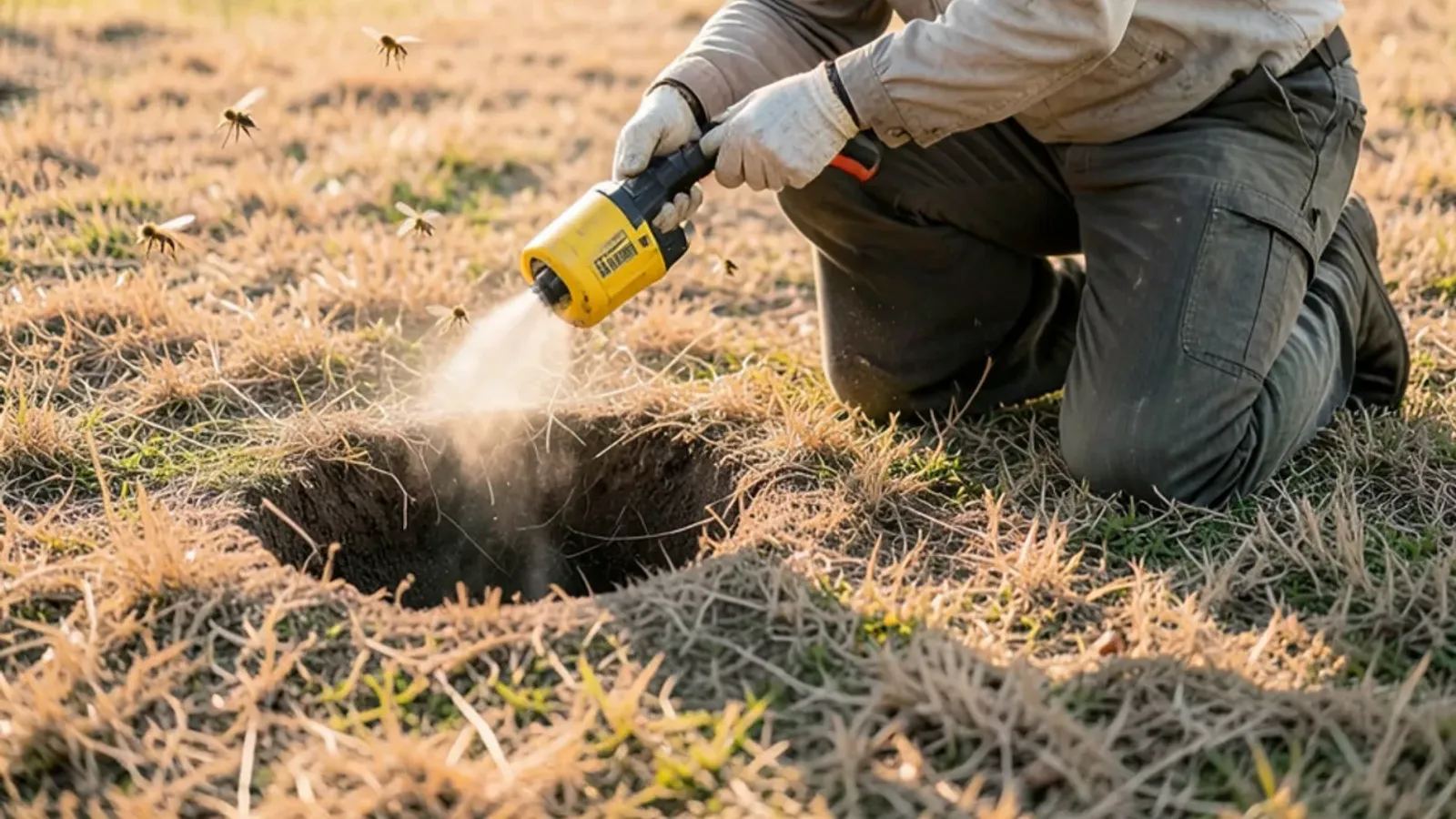
Yellow jacket control in San Jose is about finding the hidden nest — these wasps usually nest in the ground or inside wall voids, not out in the open. Budget Pest Control locates the nest, treats the colony at the entrance, and handles the late-summer colonies that grow large and aggressive around food and trash.
What a yellow jacket control job includes
- Location of the ground or wall-void nest from the flight path
- Treatment of the colony at the nest entrance
- Attention to wall-void nests that cannot be pulled out
- Guidance on food, trash and the spots that draw them
- Same-day help for aggressive late-season colonies

How we handle it, step by step
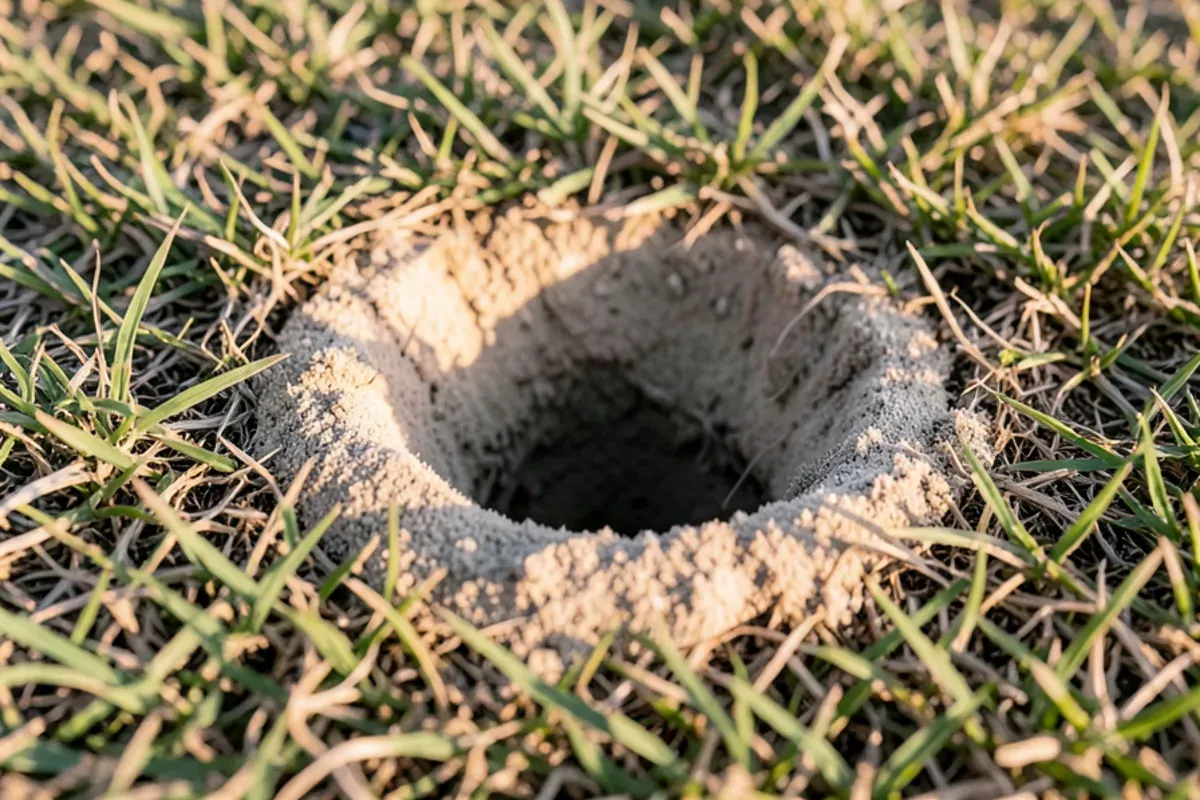
- Find the nest. We follow the flight path to the nest — a ground burrow, a wall void or a cavity — since yellow jackets rarely nest in the open.
- Treat the entrance. We treat the colony at the nest entrance so the whole nest is controlled, not just the foragers.
- Handle wall nests. For wall-void nests we treat through the entry rather than sealing live wasps inside to chew a new exit.
- Prevent. We advise on trash, food and the ground cavities that invite nesting.
Talk to a licensed pro
Call for a free estimate — we inspect, explain the finding and quote in writing before any treatment.
- Licensed — SPCB #5209
- 4.8★ on Google (20)
- Serving since 2007
- Free Estimates
What affects the price
- Nest location — ground versus wall void
- Colony size and time of season
- Number of nests and urgency
Why choose Budget Pest Control for yellow jacket control
- We find the hidden nest, which is the whole job
- Same-day help for aggressive late-season colonies
- Licensed SPCB operator (#11136) — verify at pestboard.ca.gov
- Honest guidance on wall-void nests
Yellow Jacket Control in San Jose & the South Bay
Yellow jackets — the "meat bees" that crash San Jose barbecues — peak in late summer and fall, and hotter inland areas like Gilroy and Morgan Hill run a longer, more aggressive season. Their nests hide in ground burrows and wall voids, so spotting the flight path is how we find them.
Signs you have a yellow jacket problem in San Jose
Yellow jackets rarely nest in the open, so the giveaway is a steady flight path — wasps streaming in and out of a single point in the lawn, a wall void or a cavity — rather than a visible nest. They are smooth, fast and yellow-and-black, and unlike bees they scavenge protein and sweets, which is why they crash barbecues and hover over trash and soda. Pressure builds all season and peaks in late summer and fall, when the colony is large and defends itself hard. A ground nest mowed over or a wall-void colony near a patio is when they turn dangerous.
- A steady stream of wasps in and out of a ground hole or wall gap
- Smooth, fast yellow-and-black wasps scavenging meat and sweets
- Yellow jackets crashing barbecues, trash cans and soda
- A flight path to one point with no visible nest in the open
- Rising numbers and aggression in late summer and fall
- Wasps entering a weep hole or siding gap near a patio or door
What yellow jacket control costs in San Jose
Pricing depends on where the nest is — a ground burrow versus a wall void changes the approach — on the colony size and the time of season, and on the number of nests and the urgency. A single ground nest found early is a smaller job than a large late-season wall-void colony near living space. On statewide estimates a one-time general pest visit runs about $125–$350. Finding the hidden nest is most of the work, so we follow the flight path to it, treat the colony at the entrance, and prioritize same-day service for aggressive nests around patios, play areas and doorways.
The licensed approach to wall-void nests
Yellow jacket control is Branch 2 general pest work under California’s Structural Pest Control Board; Budget Pest Control holds SPCB registration #5209 under operator #11136, verifiable at pestboard.ca.gov. The licensed approach matters most for wall-void nests: we treat the colony through its entry point rather than sealing the hole while the nest is active, because trapped yellow jackets chew a new exit — sometimes straight into the room on the other side. Treat first, then seal. Hotter inland areas like Gilroy and Morgan Hill run a longer, more aggressive season, which pushes the late-summer calls.