Apartment and condo pest control in San Jose has to account for shared walls — roaches, ants and bed bugs travel between units through outlets, plumbing and baseboards, so treating one unit in isolation can fall short. Budget Pest Control treats your unit, flags the shared-wall pathways, and documents the work for your records.
What a apartment & condo pest control job includes
- Treatment of the unit for roaches, ants, spiders or bed bugs
- Attention to shared-wall pathways — outlets, plumbing, baseboards
- Guidance on whether adjacent units need checking
- Documentation for tenant or HOA records
- Low-disruption treatment for occupied units
How we handle it, step by step
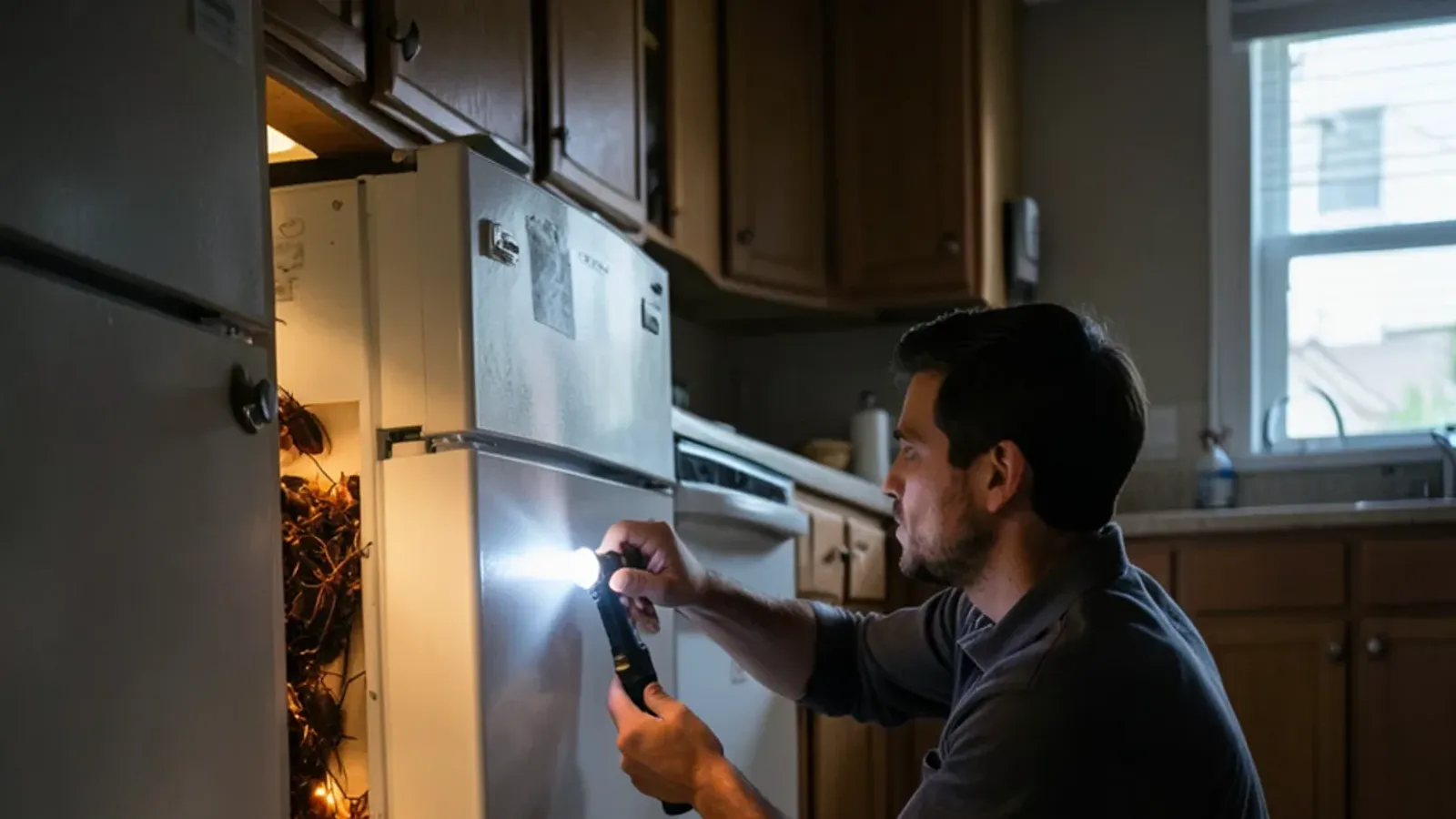
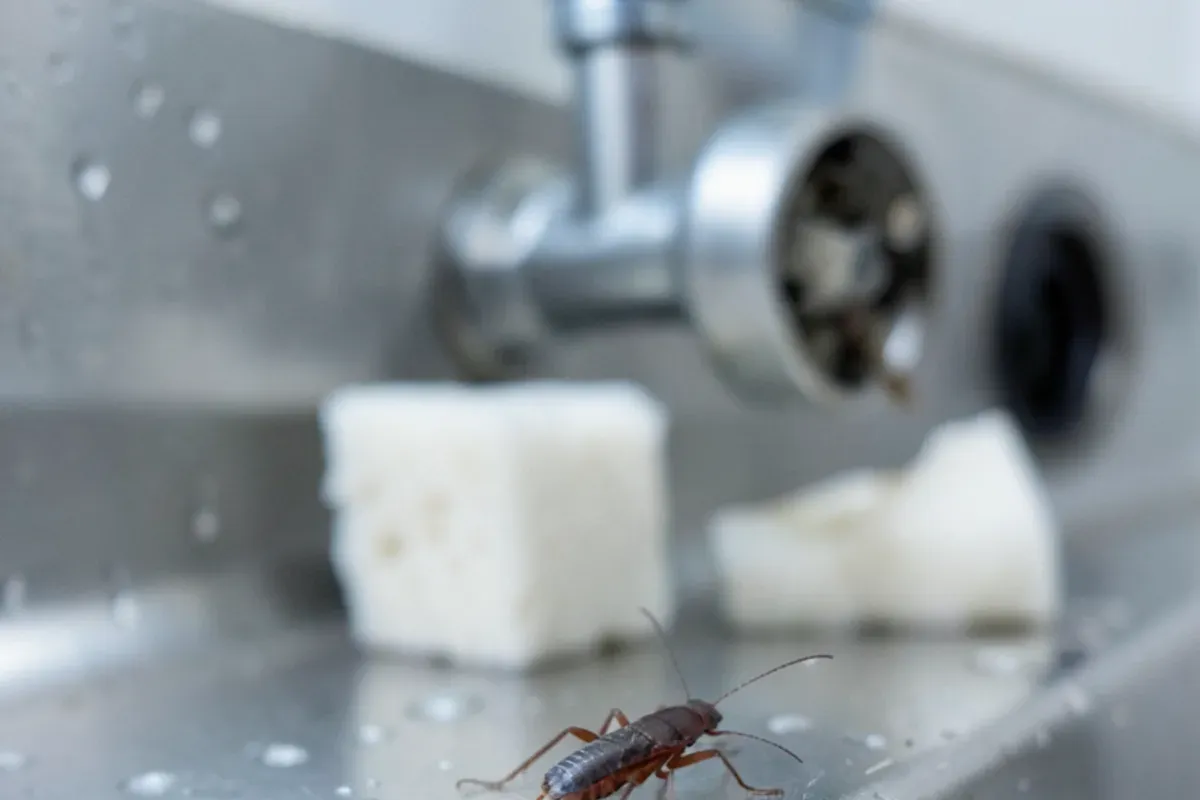
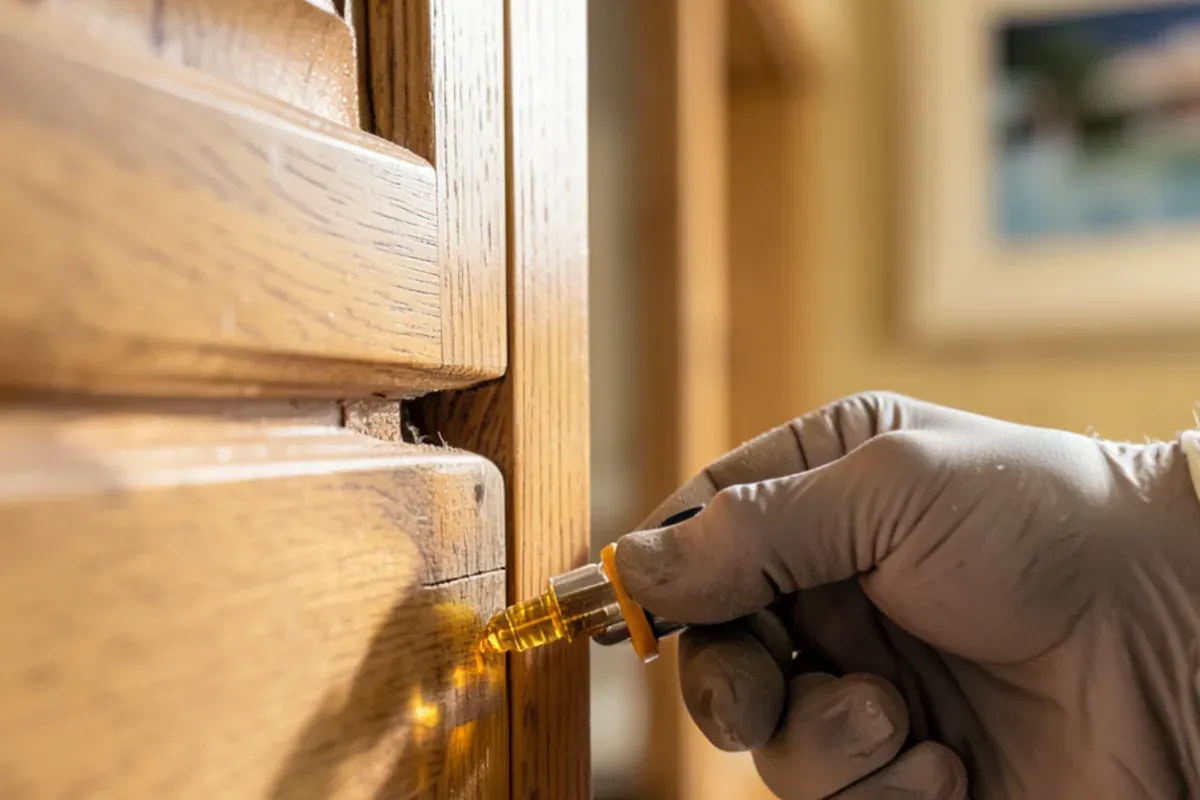
- Inspect. We identify the pest and check the shared-wall routes — outlets, plumbing penetrations, baseboards — that let pests move between units.
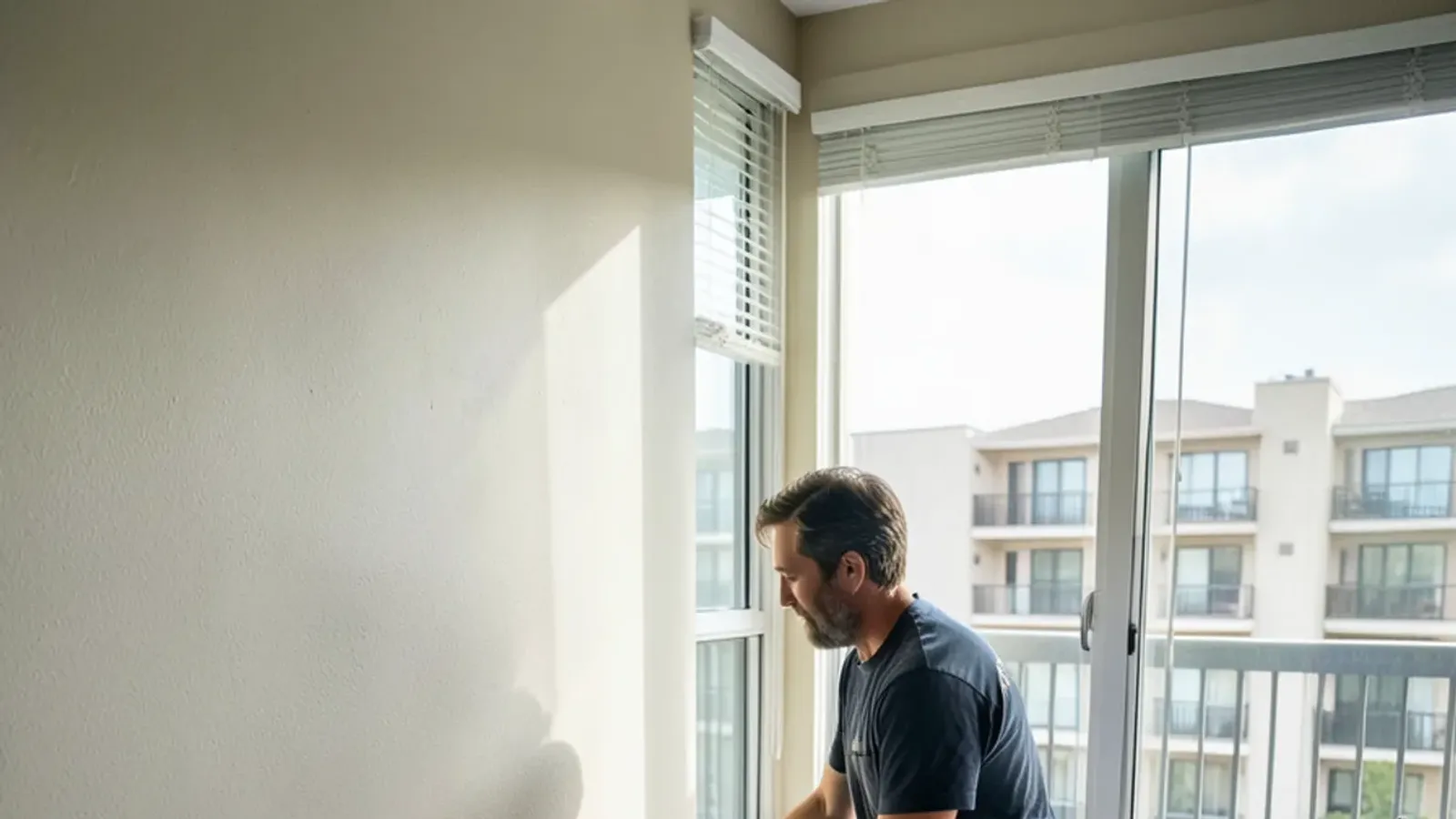
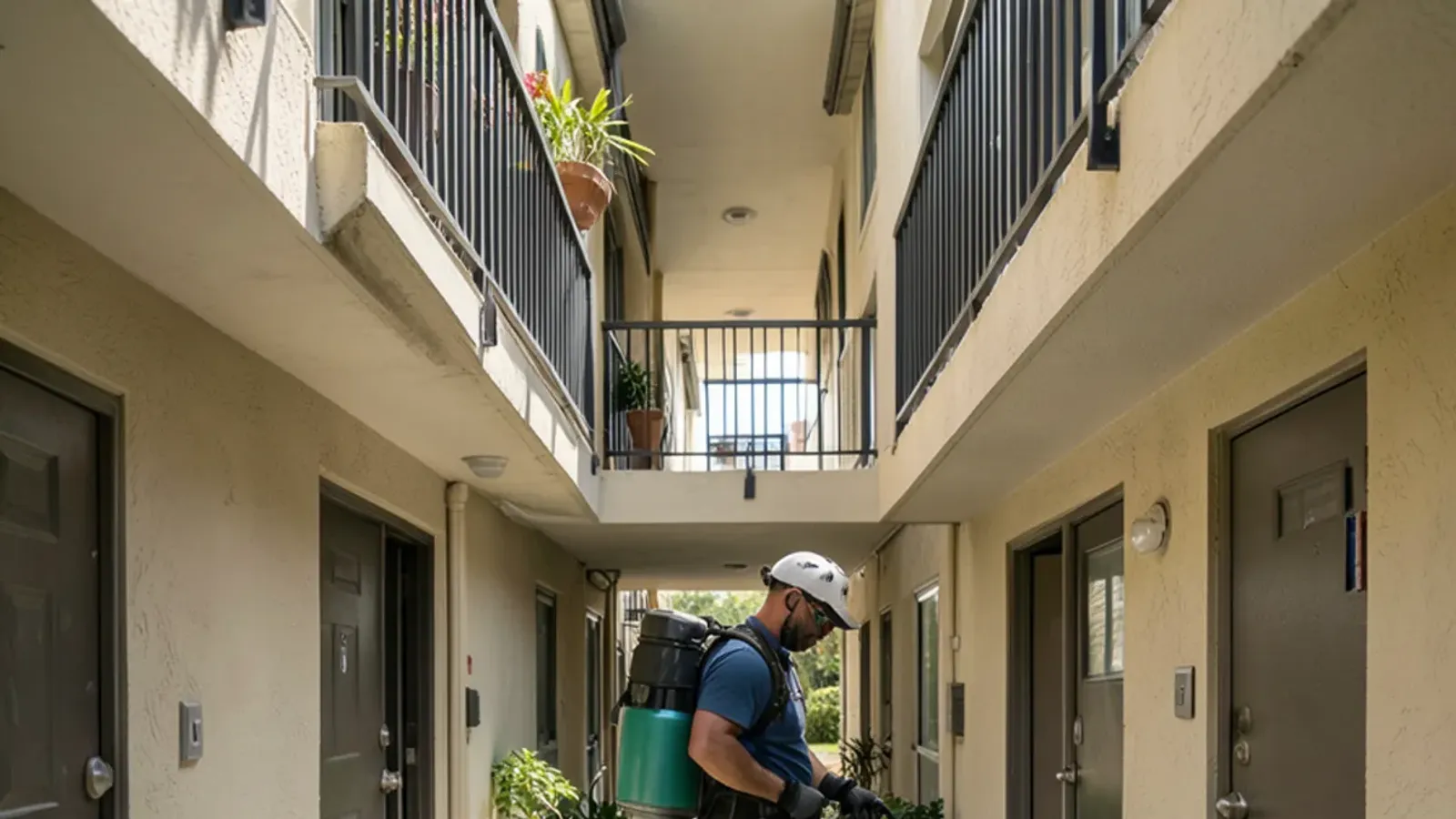
- Treat the unit. We treat with pest-specific products suited to an occupied unit, keeping disruption low.
- Flag the building. We advise whether adjacent units need inspection, since shared-wall pests can reinvade from next door.
- Document. We provide records for the tenant, owner or HOA, which matters in multi-unit disputes.
Talk to a licensed pro
Call for a free estimate — we inspect, explain the finding and quote in writing before any treatment.
- Licensed — SPCB #5209
- 4.8★ on Google (20)
- Serving since 2007
- Free Estimates
What affects the price
- Pest type and severity
- Single unit versus multiple units
- Whether shared-wall units need treatment
Why choose Budget Pest Control for apartment & condo pest control
- We think past one unit to the shared walls
- Documentation for tenant and HOA records
- Licensed SPCB operator (#11136) — verify at pestboard.ca.gov
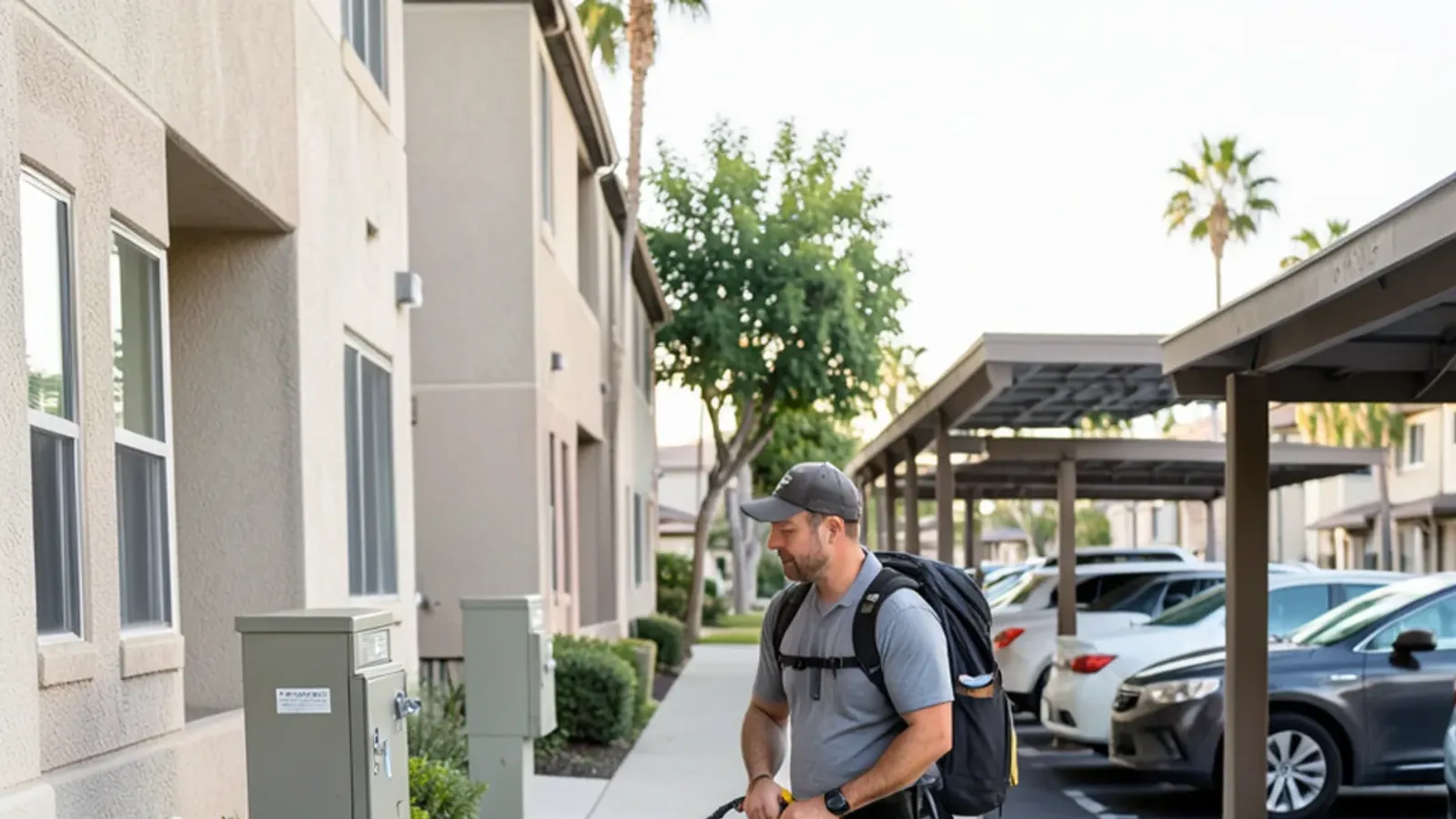
- Experience with San Jose multifamily
Apartment & Condo Pest Control in San Jose & the South Bay
San Jose has a deep stock of apartments and condos, and in them roaches and bed bugs spread along shared walls faster than in detached homes. A review describes an ant problem fixed in a condo "right away without any need to come back" — the kind of clean, documented unit treatment multifamily living needs.
Why pests keep coming back to apartments and condos
In a multi-unit building, a single treated unit sits against neighbors you do not control, and roaches, ants and bed bugs travel the shared pathways between them. That is why a unit can be cleared and reinfested weeks later — the source is next door, or in a shared void. Recognizing the routes pests use between units is the difference between a fix that holds and one that keeps failing.
- Roaches emerging from behind outlets and switch plates on shared walls
- Ants trailing along baseboards that run unit to unit
- Plumbing and pipe chases that connect kitchens and bathrooms vertically
- Gaps under doors and around shared utility penetrations
- Bed bugs arriving along a shared wall or on a moving cart
- A recurring problem that returns no matter how well your unit is treated
What apartment and condo pest control costs in San Jose
A single occupied unit is priced by the pest and the severity — a roach cleanout costs more than a one-off ant trail. The larger cost question is scope: whether the treatment stays in your unit or extends to the units sharing the wall, which for bed bugs or a heavy roach problem is often the only way to stop reinfestation. We treat your unit either way and tell you honestly whether the neighboring units need checking, so you are not paying twice for a problem that lives in the shared structure. Documentation for your records is included. If the building has a history of bed bugs or German roaches, a single preventive follow-up a few weeks after the first treatment often costs less than waiting for a full reinfestation to return.
Branch 2 licensing and shared-wall treatment
Apartment and condo pest work is Branch 2 under the Structural Pest Control Board, covering general pests, rodents and bed bugs. Budget Pest Control works as licensed SPCB operator #11136 — verify at pestboard.ca.gov. For renters, who pays and who coordinates access across units is governed by your lease and California habitability law rather than by us; what we provide is a licensed treatment and written documentation you can hand your landlord or HOA if the problem turns out to cross a wall you cannot open. If you rent, loop in your property manager early, since access to a neighboring unit is often the step that decides whether a shared-wall treatment actually holds.