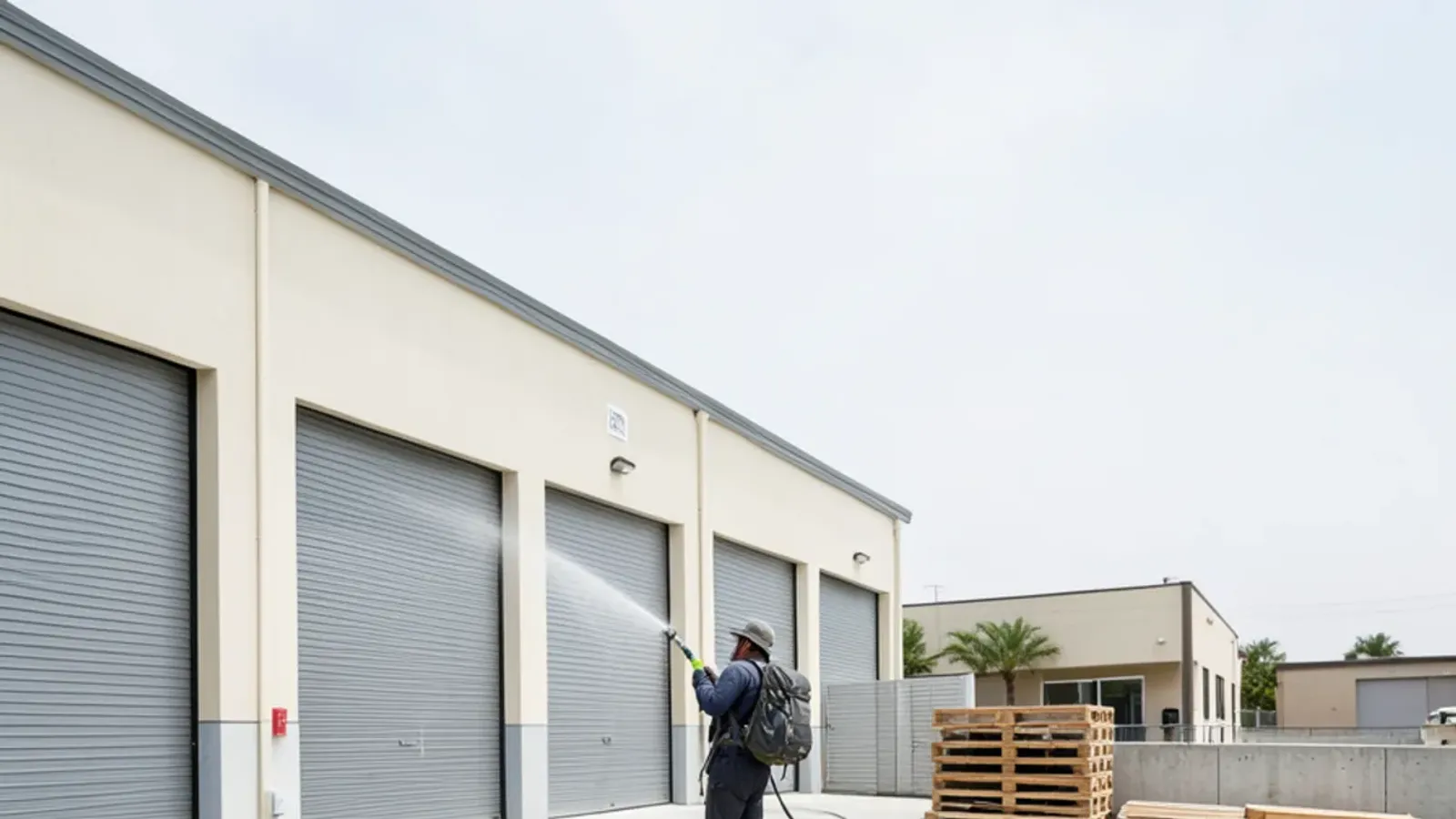
Retail and warehouse pest control in San Jose focuses on the loading docks, storage and sheer open space where rodents, birds and stored-product pests get in and hide. Budget Pest Control sets up monitoring, exclusion and treatment sized to the building — because in a warehouse, the dock doors and the pallet racks are the whole pest story.
What a retail & warehouse pest control job includes
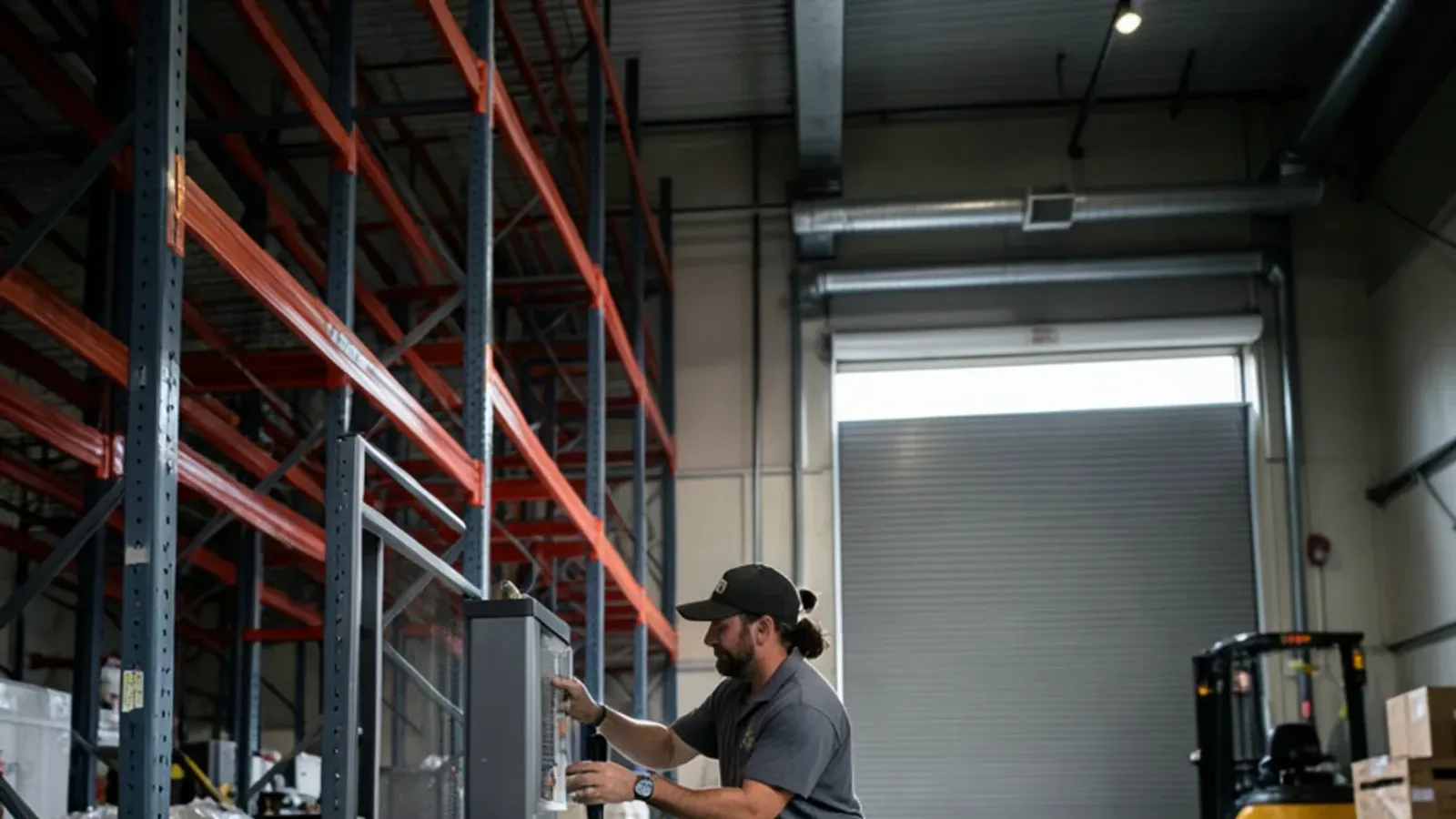
- Rodent monitoring and exclusion at docks, doors and the envelope
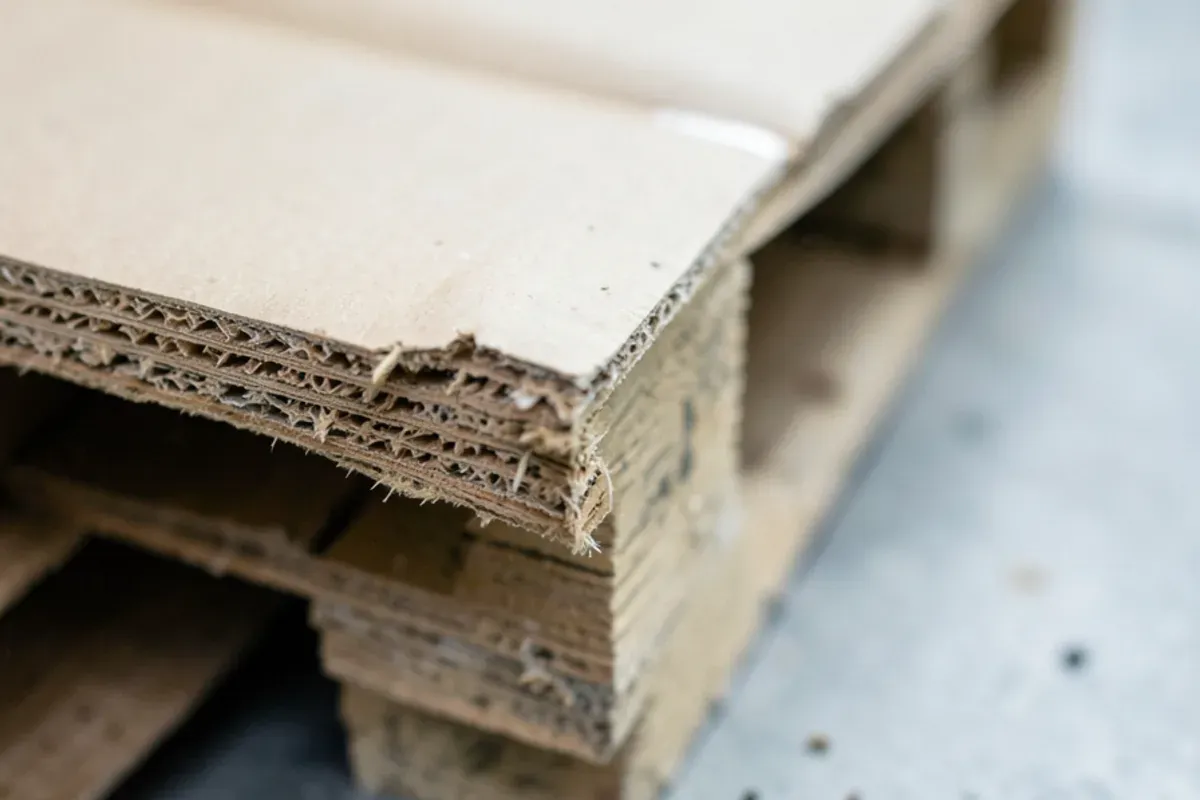
- Stored-product pest control in racking and inventory
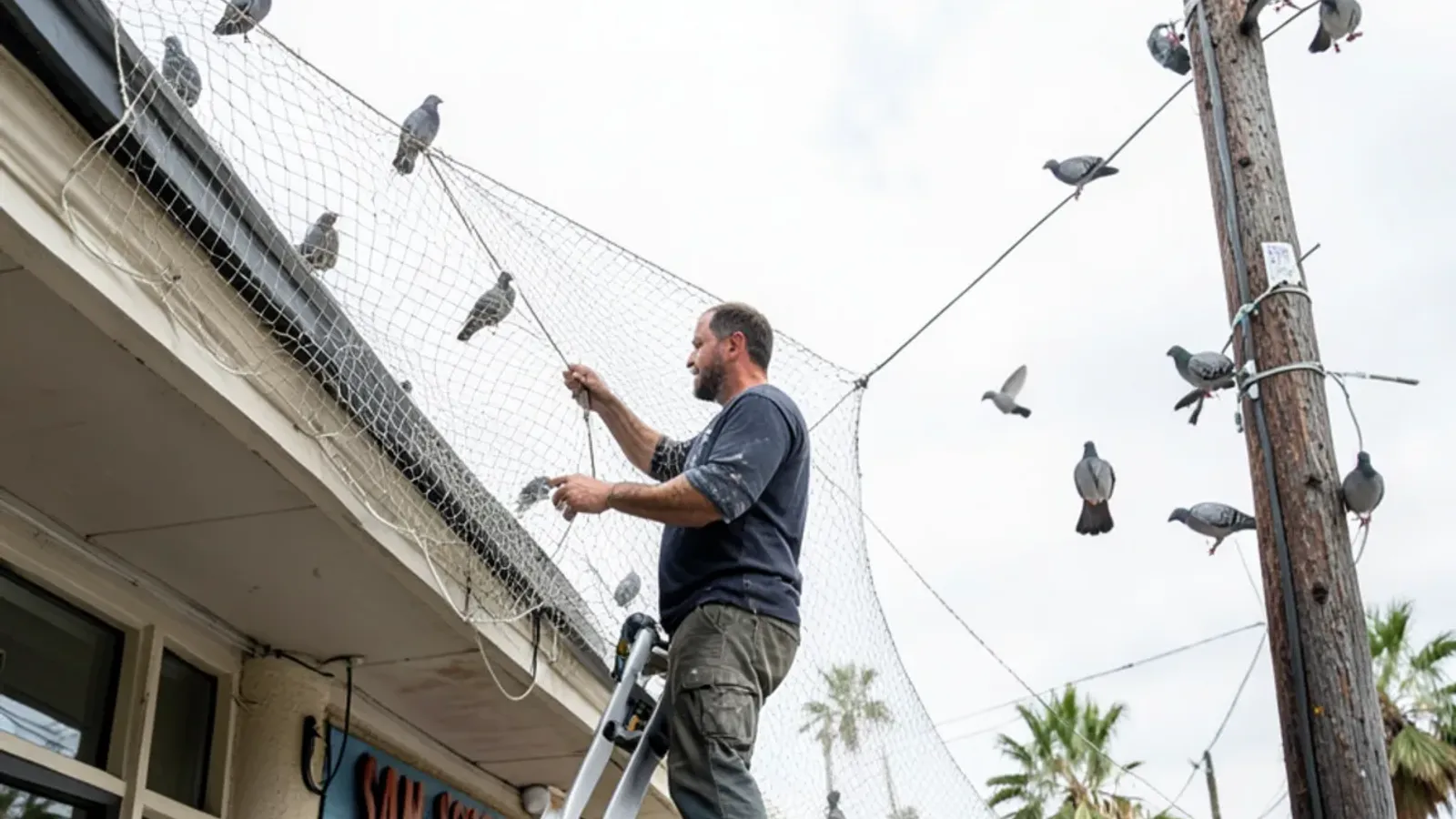
- Bird control at entrances, docks and rooflines
- Treatment that works around inventory and operations
- Documentation for audits and food-grade facilities
How we handle it, step by step
- Assess the facility. We map the risk at loading docks, overhead doors, storage racking, break areas and the building envelope.
- Monitor and exclude. We place rodent monitoring and seal the dock and envelope gaps that let rodents and birds in.
- Treat the inventory risk. We handle stored-product pests in racking and address bird pressure at entries and rooflines.
- Document. We log the service for audits, which food-grade and distribution facilities require.
Talk to a licensed pro
Call for a free estimate — we inspect, explain the finding and quote in writing before any treatment.
- Licensed — SPCB #5209
- 4.8★ on Google (20)
- Serving since 2007
- Free Estimates
What affects the price
- Square footage and number of dock doors
- Rodent, bird and stored-product scope
- Audit-grade documentation requirements
Why choose Budget Pest Control for retail & warehouse pest control
- We target docks, doors and racking — where the problem lives
- Audit-ready documentation
- Licensed SPCB operator (#11136) — verify at pestboard.ca.gov
- Work around inventory and operations
Retail & Warehouse Pest Control in San Jose & the South Bay
San Jose and the South Bay are thick with warehouses and distribution space, and open dock doors are an open invitation for rodents and birds. Stored-product pests ride in with inventory and spread through racking, so monitoring and exclusion at the envelope matter most.
Signs a warehouse or store has a pest problem
In a warehouse the pest story is the doors and the racking — rodents and birds exploit open docks and envelope gaps, and stored-product pests ride in with inventory and spread through the pallets. The scale and the constant door traffic make early detection a monitoring job, not a wait-and-see one. A few signs tell a facility manager the building is under pressure and needs exclusion and monitoring now.
- Droppings or gnaw marks along walls, under racking and near the dock
- Dock doors and overhead doors left open or not sealing at the bottom
- Beetles or moths in grain, dry goods or packaging in the racks
- Birds roosting on rafters, over docks or at store entrances
- Damaged or contaminated product found during picking
- Gaps around utility penetrations and at the base of the envelope
What retail and warehouse pest control costs in San Jose
Pricing scales with square footage, the number of dock doors to protect, and the mix of rodent, bird and stored-product work. Exclusion at the docks and envelope is the largest up-front piece but the one that pays back, because sealing the entry points reduces the ongoing treatment a large space would otherwise need. Audit-grade documentation for food-grade and distribution facilities is built into the program. We size monitoring and service to the building’s real risk points rather than a flat per-square-foot rate, since a cross-dock operation and a sealed storage facility face very different pressure. A facility that keeps its dock doors sealed and its racking organized needs less interior treatment over time, so the exclusion spend tends to lower the ongoing program cost.
The Branch 2 license and audit documentation
Warehouse and retail pest control is Branch 2 work under the Structural Pest Control Board, run here as licensed SPCB operator #11136 — verify at pestboard.ca.gov. For distribution and food-grade sites the licensing underpins the documentation a third-party audit demands: a mapped device layout, dated service records and trend reporting. We log every visit to that standard, because for an audited facility the record of control is inspected as closely as the building itself, and a gap in the paperwork reads as a gap in the program. We can align our visit schedule with your audit calendar so the documentation is current when an auditor arrives, rather than scrambling to assemble a record at the last minute.