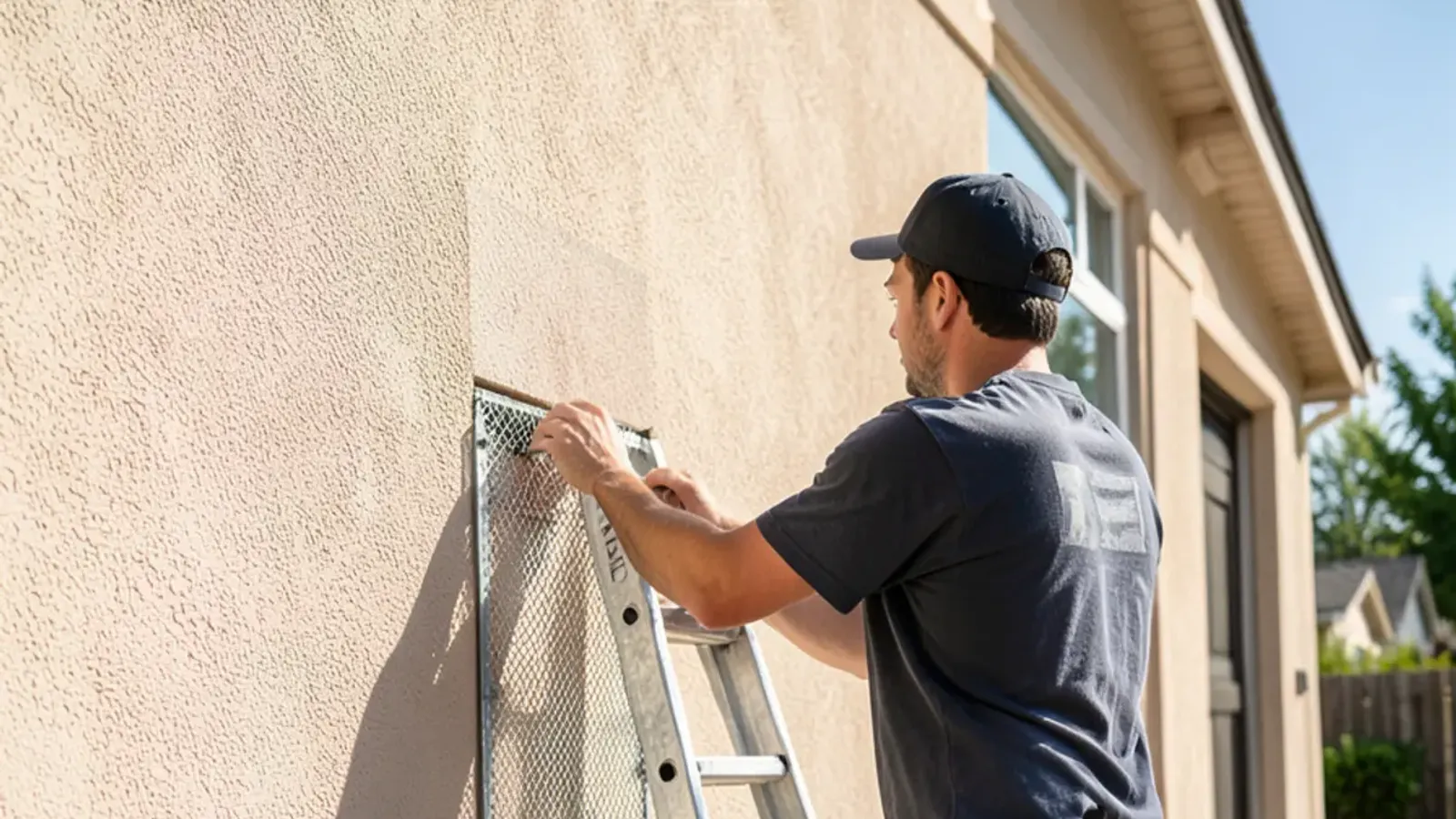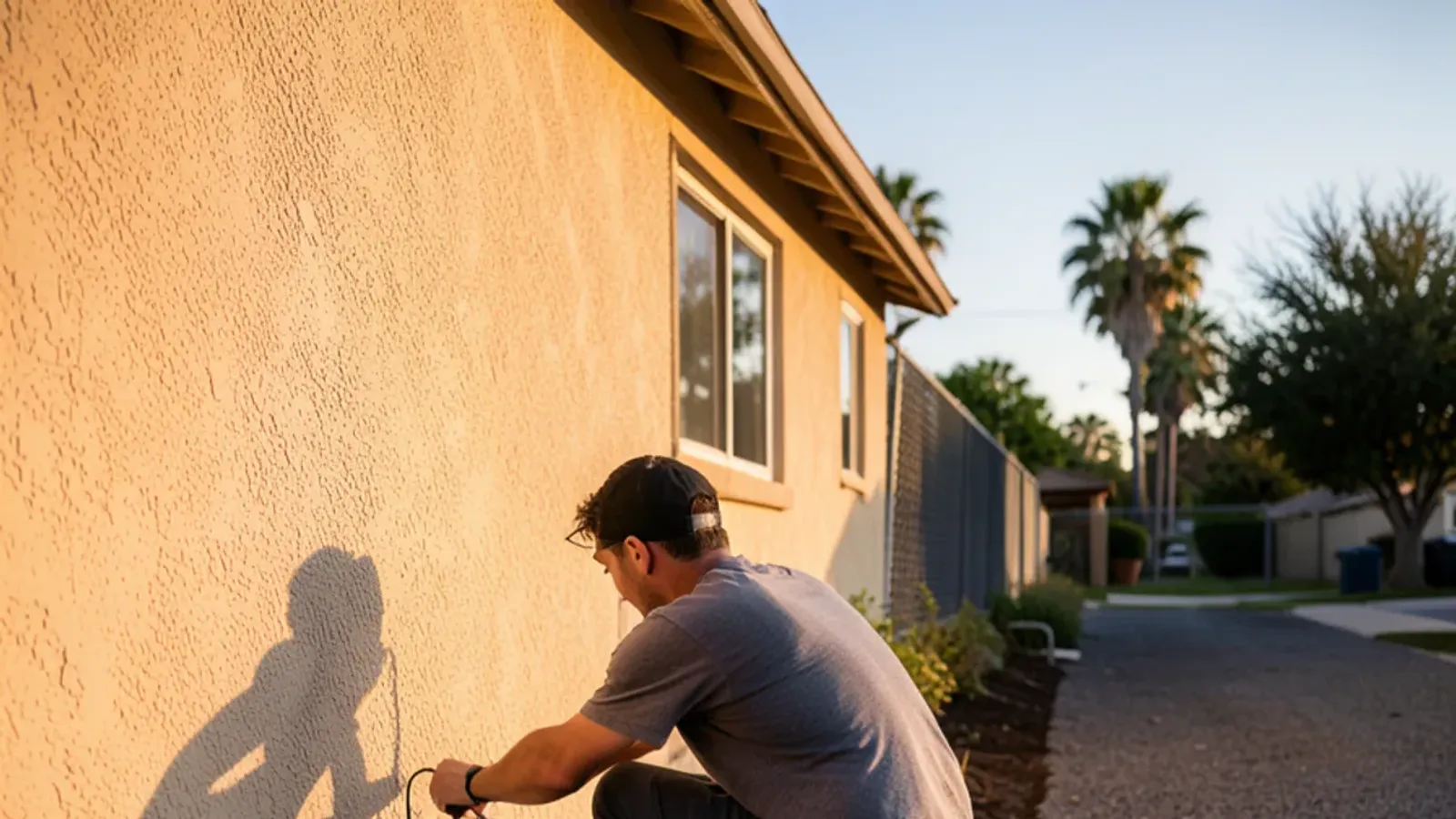
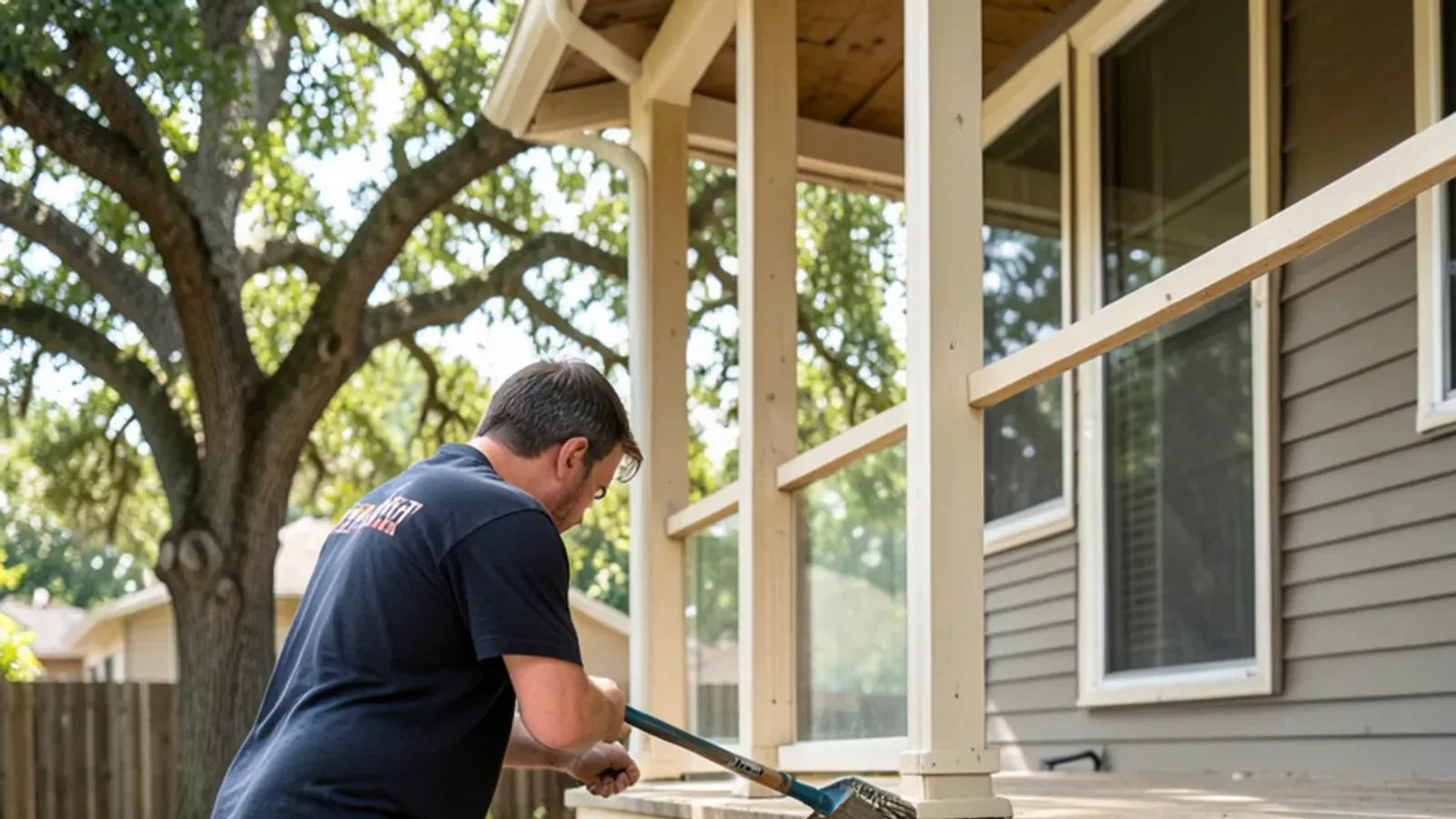
Wildlife exclusion in San Jose seals raccoons, skunks and opossums out of the crawlspaces, decks and sheds they den in — legally, because relocating trapped wildlife is unlawful in California under Title 14 CCR §465.5. Budget Pest Control finds the access points, times the work so no animal is sealed inside, and closes them for good.
What a wildlife exclusion job includes
- Inspection of crawlspaces, decks, sheds and roofline for wildlife access
- Identification of the animal from the sign and den
- Exclusion sealing timed so no animal is trapped inside
- Deterrence and one-way methods where appropriate
- Coordination with licensed trappers where the law requires it
How we handle it, step by step
- Inspect. We find where raccoons, skunks or opossums are getting under the deck, into the crawlspace or shed, and identify the animal from the sign.
- Time the work. We make sure no animal — or litter — is sealed inside before we close the access, using one-way methods where appropriate.
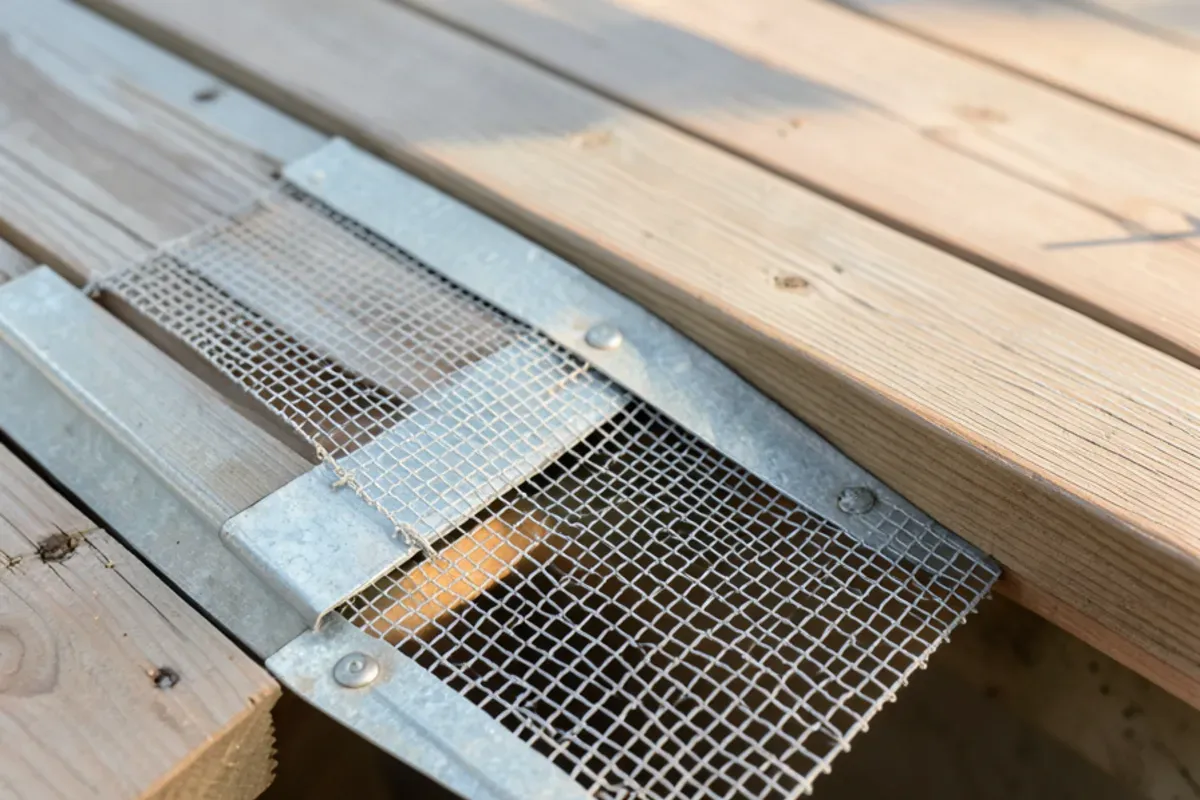
- Seal the access. We close the entry points with durable materials so the wildlife cannot return.
- Advise legally. We follow California law: relocation of trapped wildlife is unlawful, so we focus on exclusion and coordinate with licensed trappers where needed.
Talk to a licensed pro
Call for a free estimate — we inspect, explain the finding and quote in writing before any treatment.
- Licensed — SPCB #5209
- 4.8★ on Google (20)
- Serving since 2007
- Free Estimates
What affects the price
- Animal type and den location
- Number and difficulty of access points
- Whether a licensed trapper is required
Why choose Budget Pest Control for wildlife exclusion
- We do it the legal way — no unlawful relocation
- Timed so no animal is sealed inside
- Licensed SPCB operator (#11136) — verify at pestboard.ca.gov
- Durable exclusion, not a quick patch
Wildlife Exclusion in San Jose & the South Bay
San Jose’s creek corridors and foothill edges bring raccoons, skunks and opossums into crawlspaces, under decks and into sheds, especially where yards back onto open space. California law makes relocating trapped wildlife unlawful, so lasting control here is about exclusion, not a drive to the park.
Signs you need wildlife exclusion in San Jose
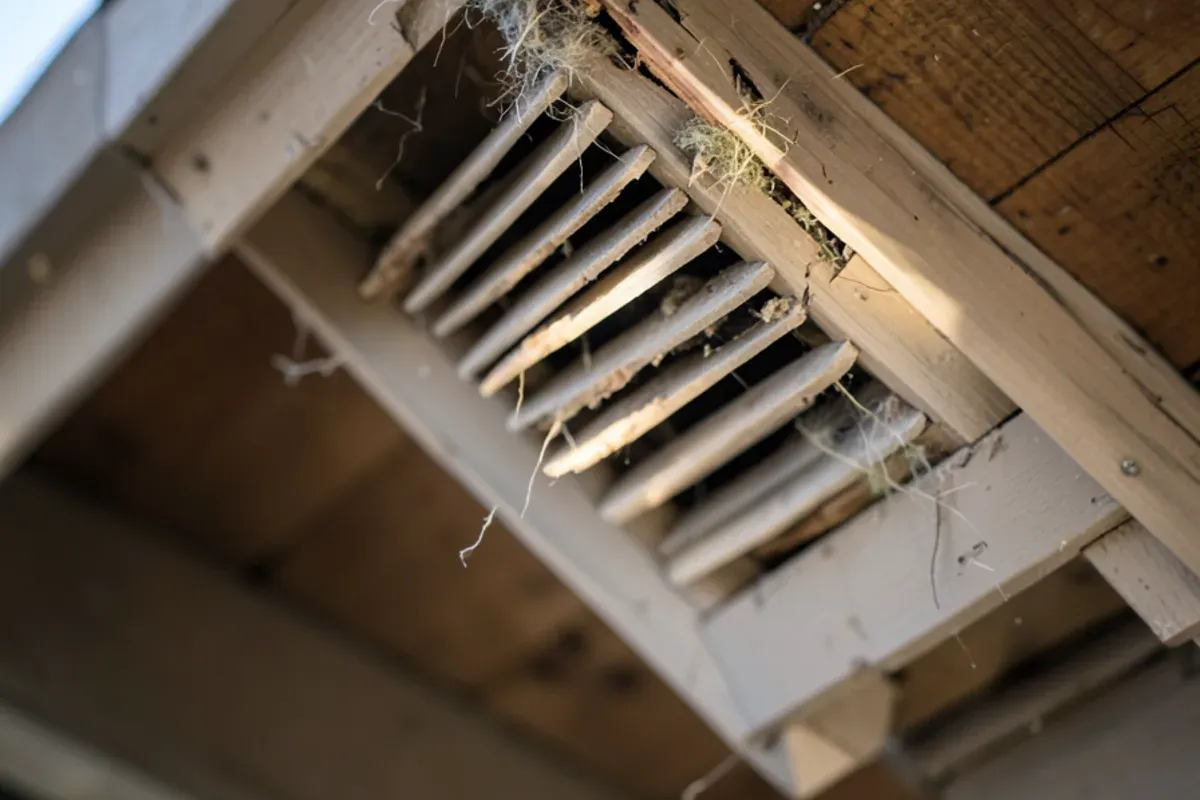
When a larger animal has moved in under the house, the signs are bigger and louder than a rodent’s. You hear heavy movement or thumping under the deck or in the crawlspace at night, catch a strong musk or skunk odor, and find a dug-out entry at a foundation vent or deck skirt. Flattened nesting areas, scattered scat, and torn vent screens point to raccoons, skunks or opossums denning in the sheltered, dark space beneath the structure. San Jose’s creek corridors and foothill edges push these animals into yards that back onto open ground.
- Heavy thumping or movement under a deck, shed or crawlspace at night
- A strong musk or skunk odor near the foundation
- A dug-out hole at a deck skirt, vent or foundation gap
- Torn vent screens or pried-back lattice and skirting
- Scattered scat or a flattened, worn denning area
- Tracks or a greasy entry worn smooth by repeated use
What wildlife exclusion costs in San Jose
Cost depends on the animal and where it is denning, the number and difficulty of the access points, and whether a licensed trapper has to be involved for the situation. A single skunk under an accessible deck with one entry is a smaller job than a raccoon in a tight crawlspace with several breaches and a possible litter. On statewide estimates a one-time general pest visit runs about $125–$350, while full wildlife exclusion is scoped on the access work itself. We inspect, confirm the animal and plan the timing before quoting, because doing it right — without sealing an animal inside — is the whole value. Decks with low clearance and long skirting take more time to inspect and close than an open crawlspace with a single breach.
The California law that shapes wildlife work
Budget Pest Control holds SPCB registration #5209 under operator #11136 — verify at pestboard.ca.gov — and we work within California wildlife law. Under Title 14 CCR §465.5, relocating trapped wildlife is unlawful in this state, so a promise to trap and release the animal somewhere else is not a lawful fix. The durable, legal answer is exclusion: we time the work so the animal and any young can get out, use one-way methods where appropriate, seal the access with durable material, and coordinate with a licensed trapper where the law requires one.