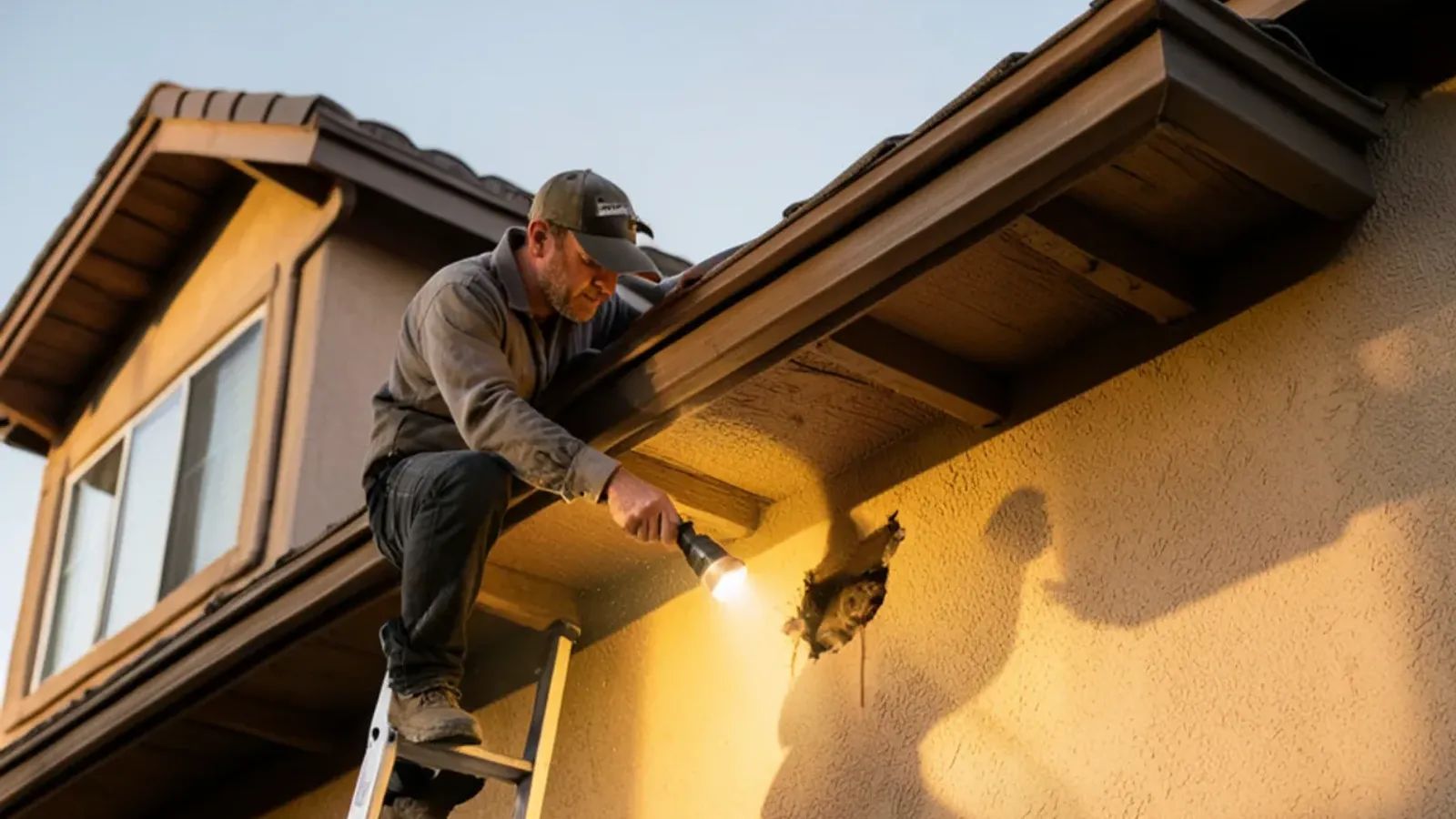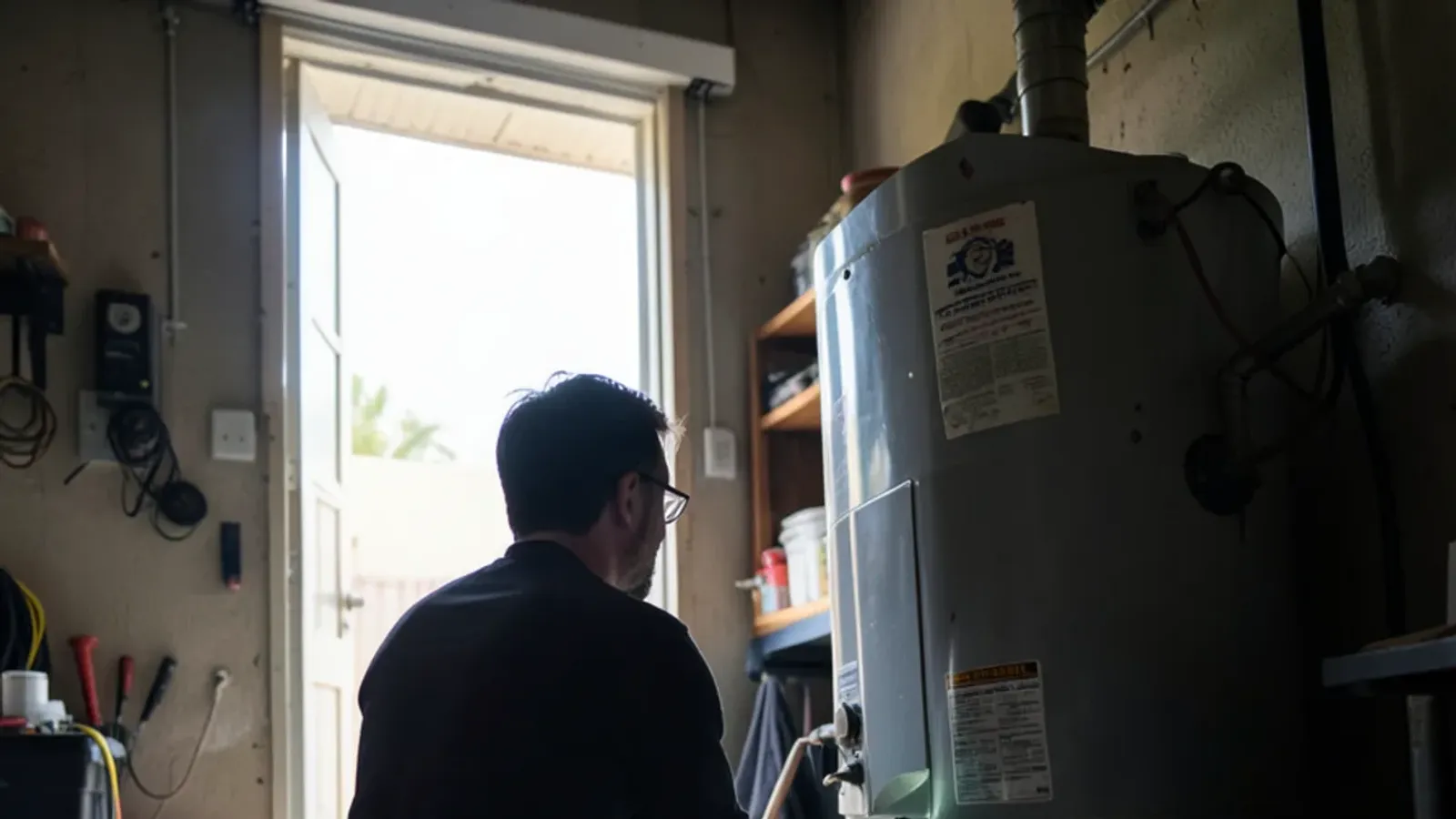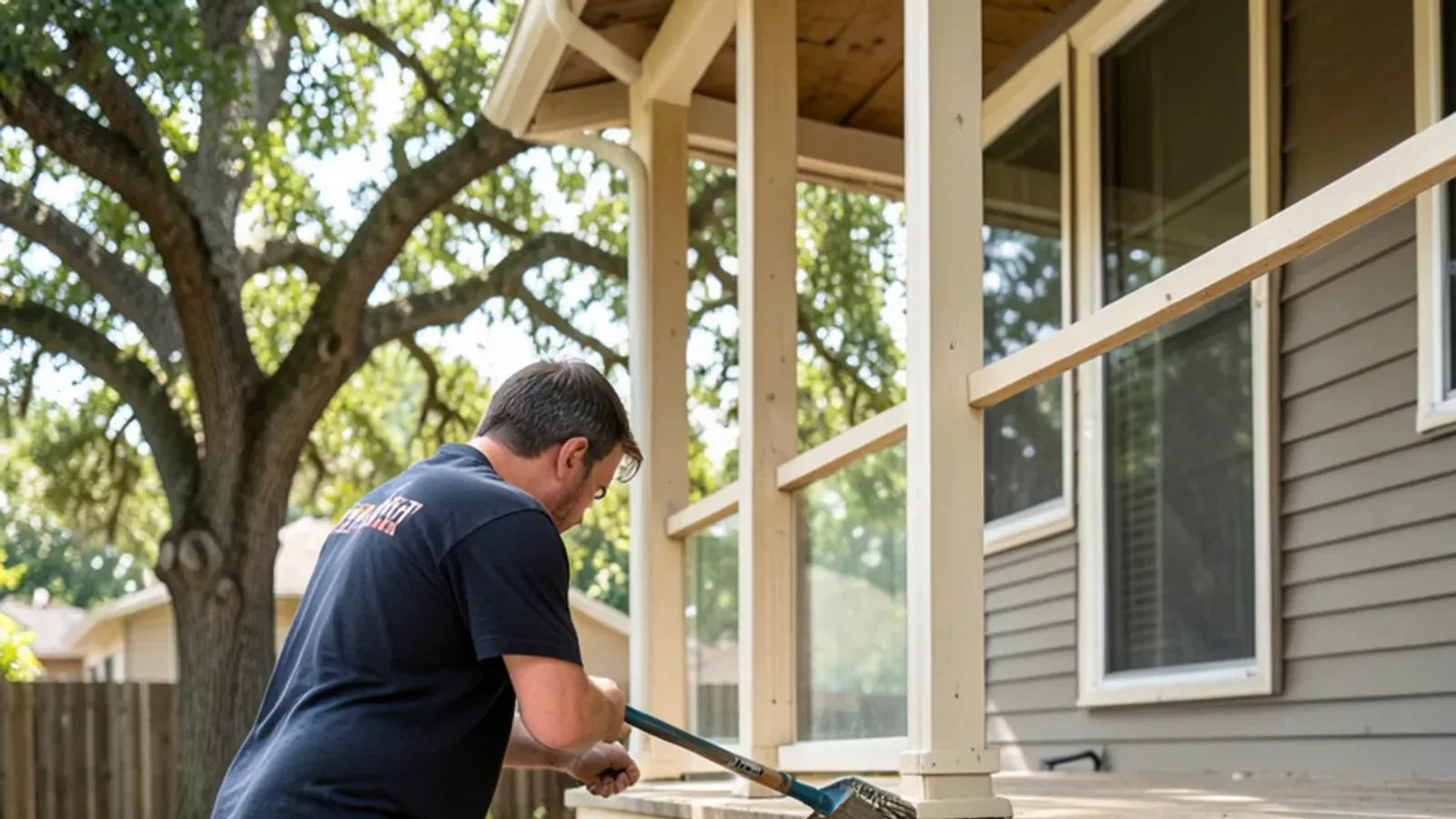
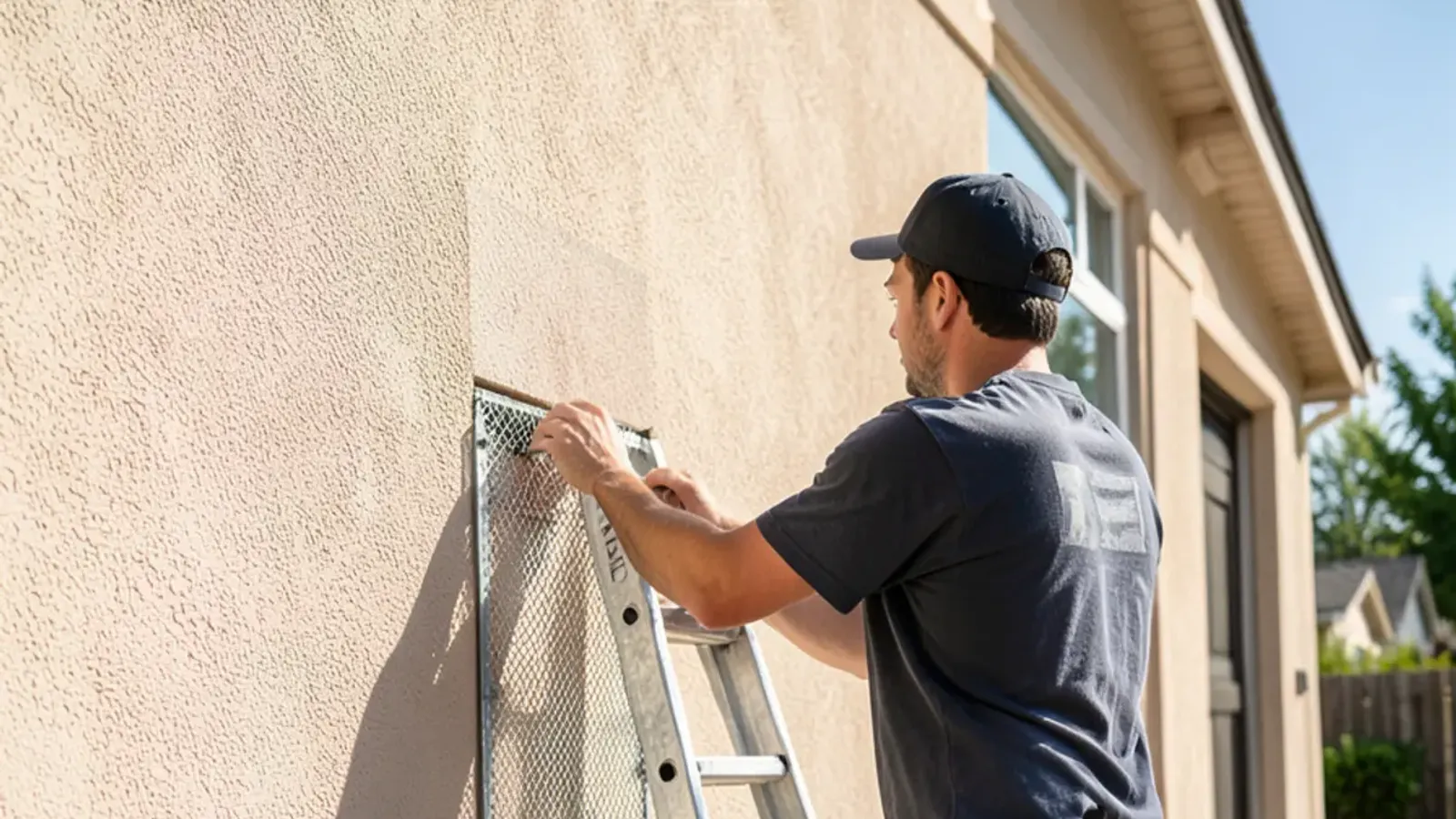
Rodent exclusion is the part of rodent control that makes it permanent: finding and sealing every gap rats and mice use, so trapping is not just a monthly chore. Budget Pest Control inspects the whole building envelope — roofline, vents, pipe penetrations, foundation and crawlspace — and closes the openings with rodent-proof materials.
What a rodent exclusion job includes
- A full building-envelope inspection for entry points
- Sealing of roofline gaps, vents, pipe penetrations and foundation openings
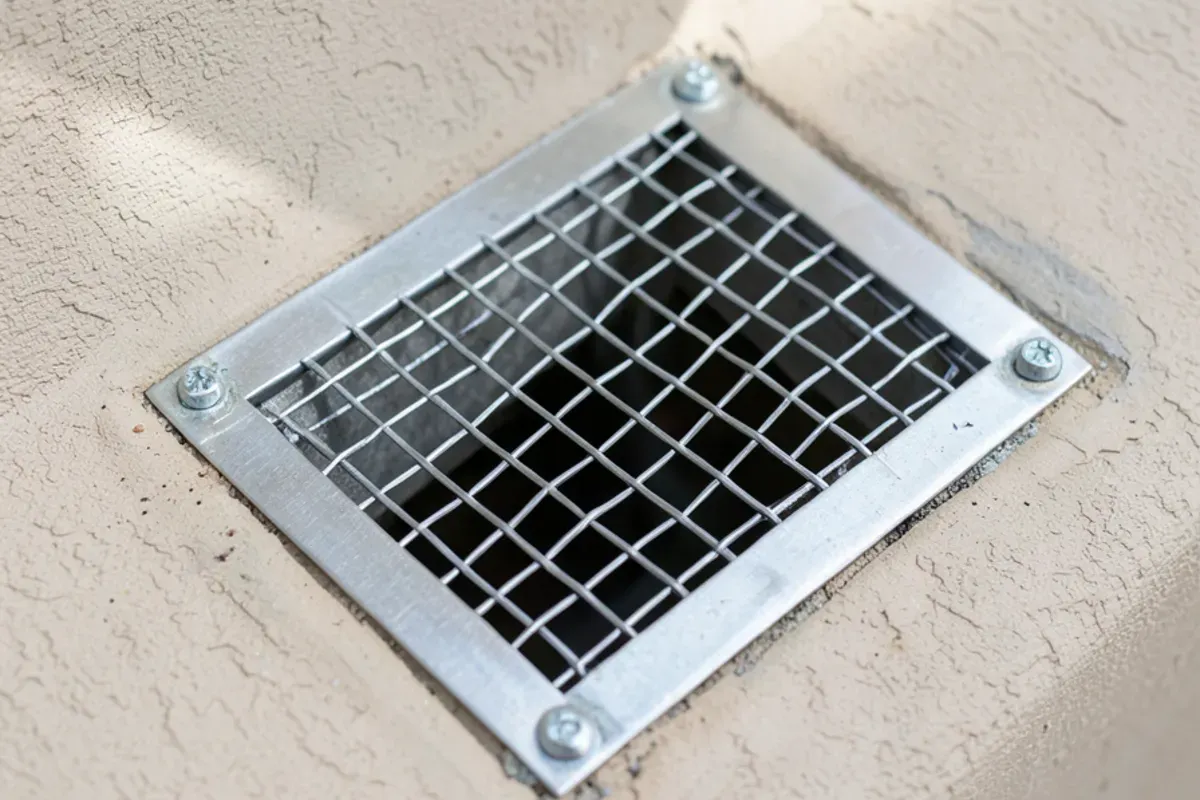
- Screening of crawlspace and foundation vents
- Door-sweep and garage-corner recommendations
- A pairing with trapping so inside and outside are both handled
How we handle it, step by step
- Inspect the envelope. We examine the roofline, eaves, vents, pipe and utility penetrations, foundation and crawlspace for every gap a rat or mouse could use.
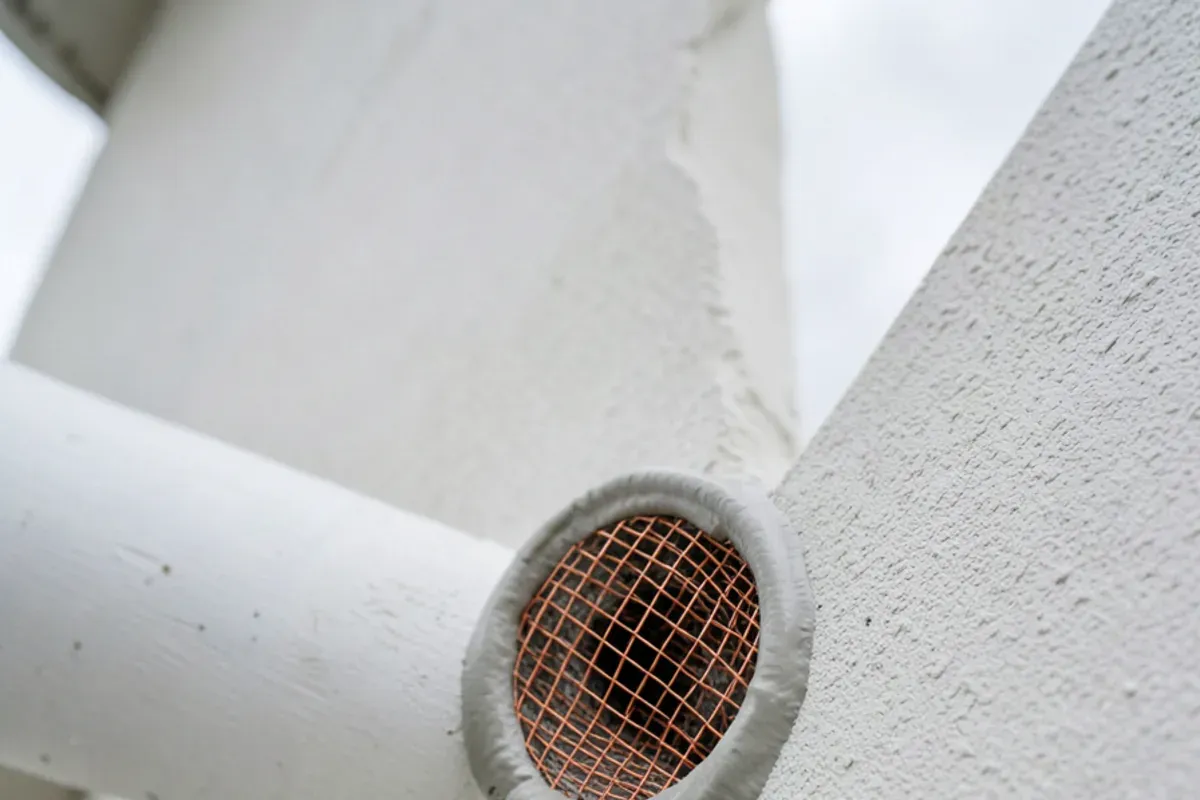
- Seal with the right materials. We close the openings with rodent-proof material that gnawing cannot defeat, not foam or steel wool alone.
- Screen the vents. We screen crawlspace and foundation vents and recommend door sweeps and garage-corner fixes.
- Pair with trapping. We combine exclusion with trapping so the rodents inside are removed as the outside is sealed.
Talk to a licensed pro
Call for a free estimate — we inspect, explain the finding and quote in writing before any treatment.
- Licensed — SPCB #5209
- 4.8★ on Google (20)
- Serving since 2007
- Free Estimates
What affects the price
- Number and difficulty of entry points
- Access to the roofline and crawlspace
- Whether trapping and cleanup are bundled in
Why choose Budget Pest Control for rodent exclusion
- Exclusion is how we make rodent control last
- We use rodent-proof materials, not temporary fixes
- Branch 2 covers rodent work — operator #11136, verify at pestboard.ca.gov
- Local knowledge of San Jose construction types
Rodent Exclusion in San Jose & the South Bay
San Jose’s raised-foundation tract homes have crawlspace and foundation vents that rodents pry open, while slab homes and Eichlers get rats at roofline and utility gaps instead. Exclusion is doubly important here because AB 1788 limits the rodenticides that used to prop up weaker programs.
Signs your home needs rodent exclusion in San Jose
Exclusion is what you need when trapping alone keeps turning into a monthly chore — the rats or mice come back because the openings that let them in are still there. The tell-tale signs are repeat activity after a clearout, droppings reappearing in the same spots, and fresh gnawing at a vent screen or roofline gap. On San Jose’s raised-foundation tract homes, pried-open crawlspace and foundation vents are the usual doorways; on slab homes and Eichlers, rats come in at the roofline and utility penetrations instead. The building envelope, not the trap, is the real problem to solve.
- Rodents returning within weeks of a successful trapping
- Droppings reappearing in the same cabinet, attic or garage spot
- Fresh gnaw marks at a vent screen, eave or pipe collar
- Daylight visible around pipes, vents or the garage-door corners
- Torn or missing crawlspace and foundation vent screens
- Gaps at the roofline, soffit or where utilities enter the wall
What rodent exclusion costs in San Jose
Exclusion is priced on the number and difficulty of the entry points, how reachable the roofline and crawlspace are, and whether trapping and cleanup are bundled with the sealing. A handful of accessible gaps costs far less than a two-story roofline or a tight, breached crawlspace that needs extensive screening. On statewide estimates a one-time general pest visit runs about $125–$350, but a full exclusion job is scoped on the envelope itself. Weighed against trapping forever, sealing usually pays for itself: every batch of rodents you remove without it is simply replaced through the same openings. Eichlers and other flat-roofed homes often need roof-jack and parapet work that takes extra time, while tract homes are mostly vent and foundation sealing.
Why AB 1788 makes exclusion the real fix
Exclusion is Branch 2 rodent work under California’s Structural Pest Control Board, and Budget Pest Control holds SPCB registration #5209 under operator #11136 — verify at pestboard.ca.gov. It has become even more central since California’s AB 1788 restricted the second-generation rodenticides that once propped up weaker, bait-dependent programs. With those baits limited, the durable answer is to physically close the building envelope. We fit each gap with rodent-proof material that gnawing cannot defeat — not foam or loose steel wool, which rodents chew through or pull out.