Rat control in San Jose is mostly roof rat control — the climbing rat that follows fences, wires and creek corridors into attics. Budget Pest Control traps the rats inside and seals the roofline entry points, because along the Coyote Creek and Guadalupe River corridors, an open gap just invites the next rat.
What a rat control job includes
- Inspection of the attic, roofline, vents, fences and wires
- Identification of roof rat versus Norway rat activity
- Trapping of the rats currently inside
- Exclusion: sealing roofline, vent and pipe entry points
- Route-trimming advice for limbs, fences and wires, plus cleanup guidance
How we handle it, step by step
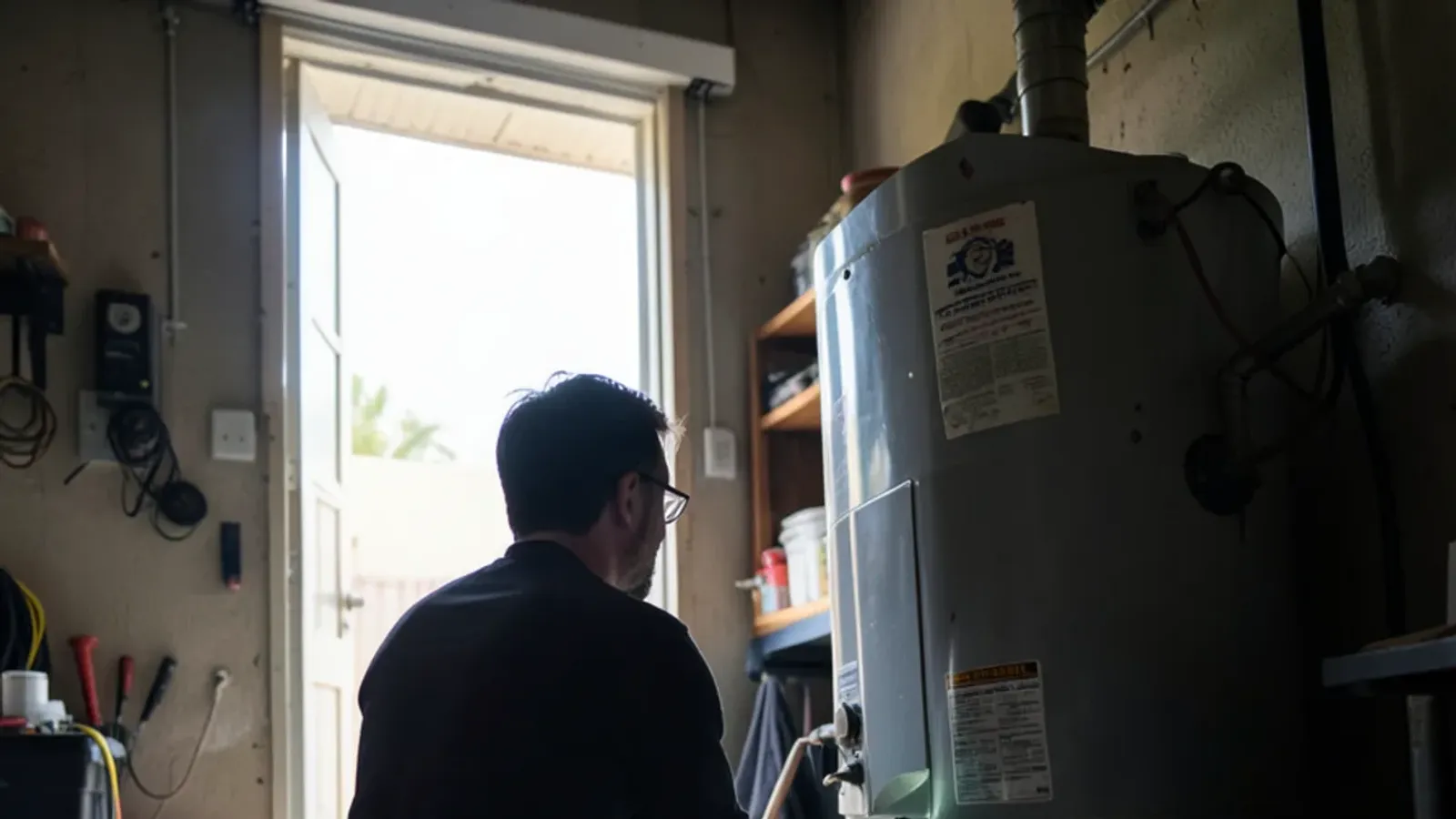
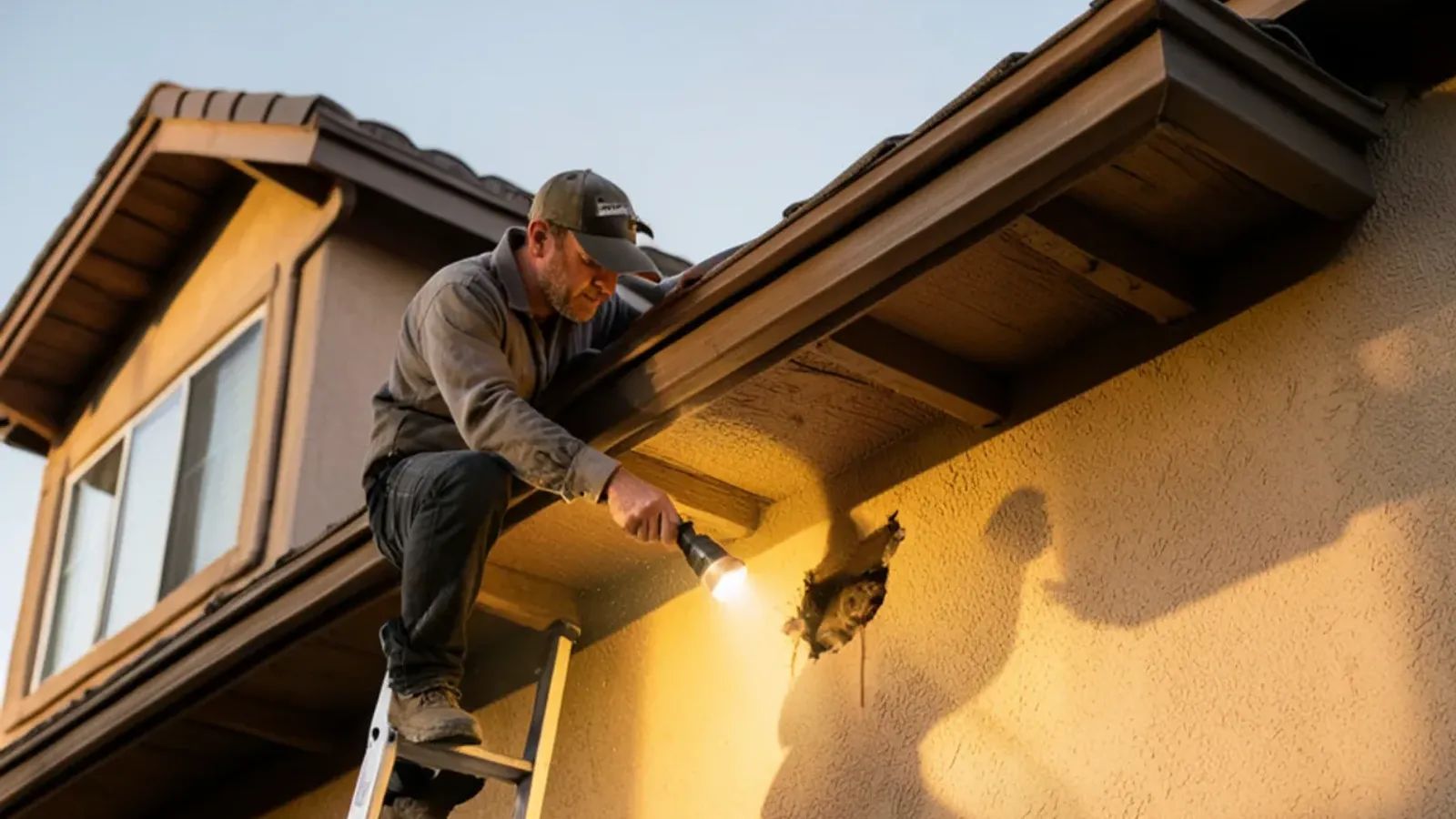
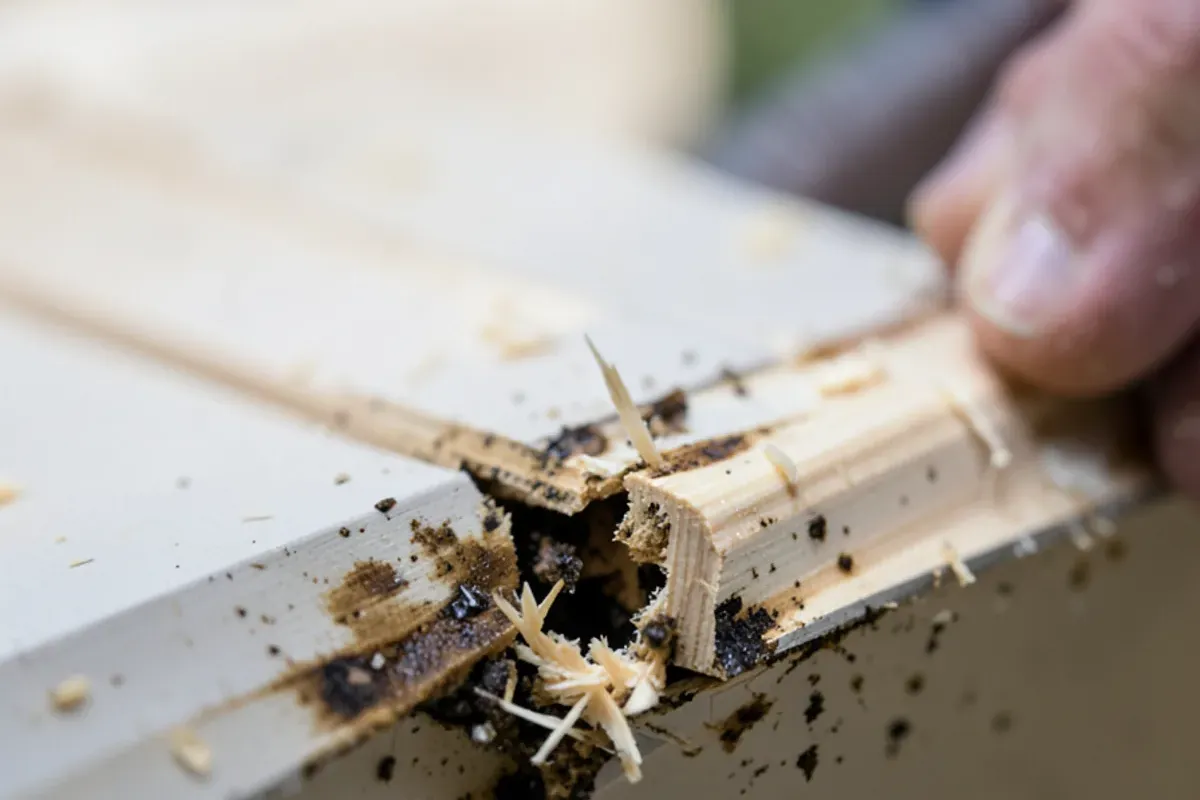
- Inspect. We map the activity in the attic and along the roofline, fences and wires, and mark droppings and gnaw marks.
- Trim the routes. We flag the tree limbs, fence lines and utility wires giving roof rats a bridge to the roof.
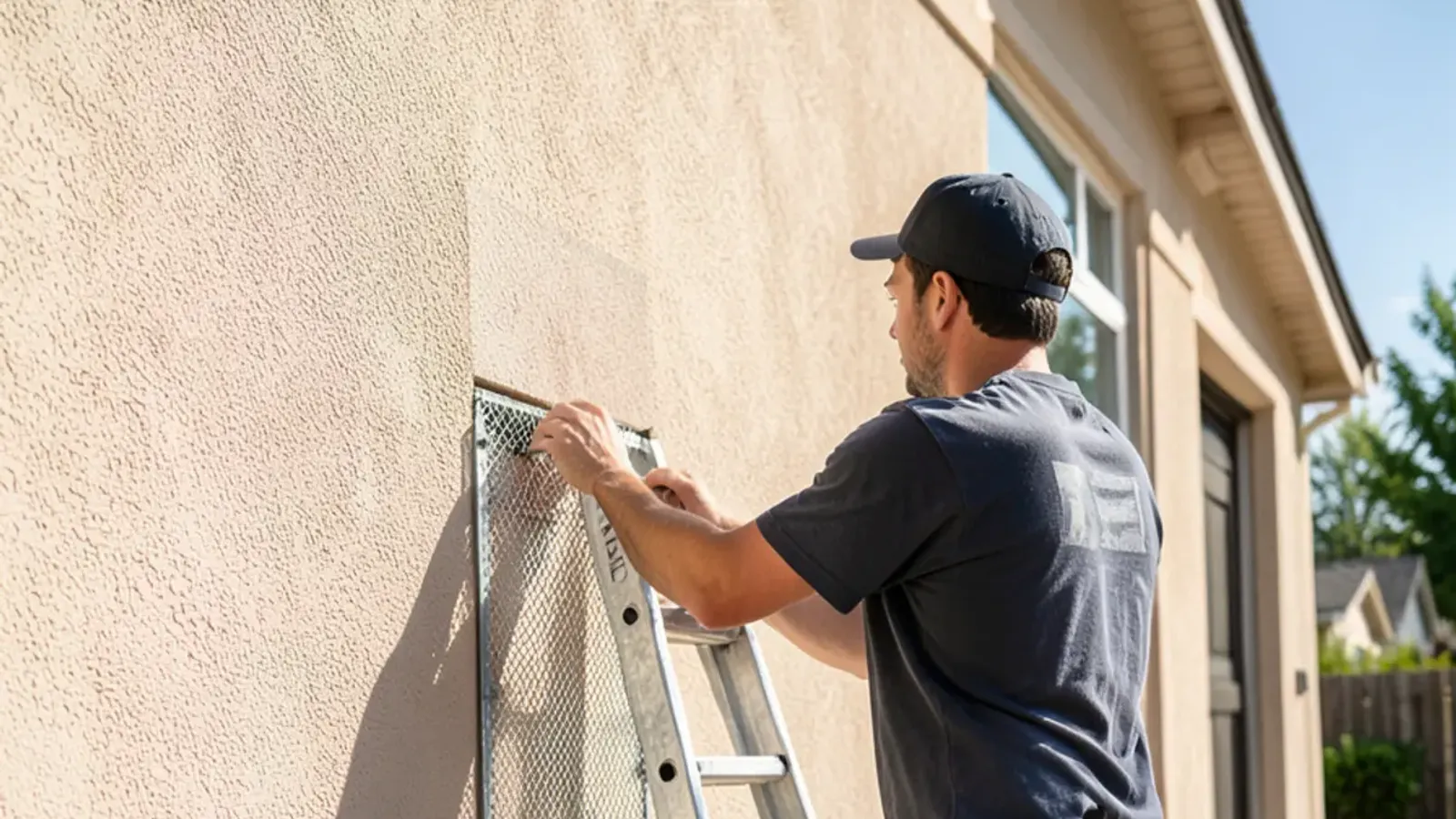
- Seal. We close roofline, vent and pipe entry points with rodent-proof material so new rats cannot follow.
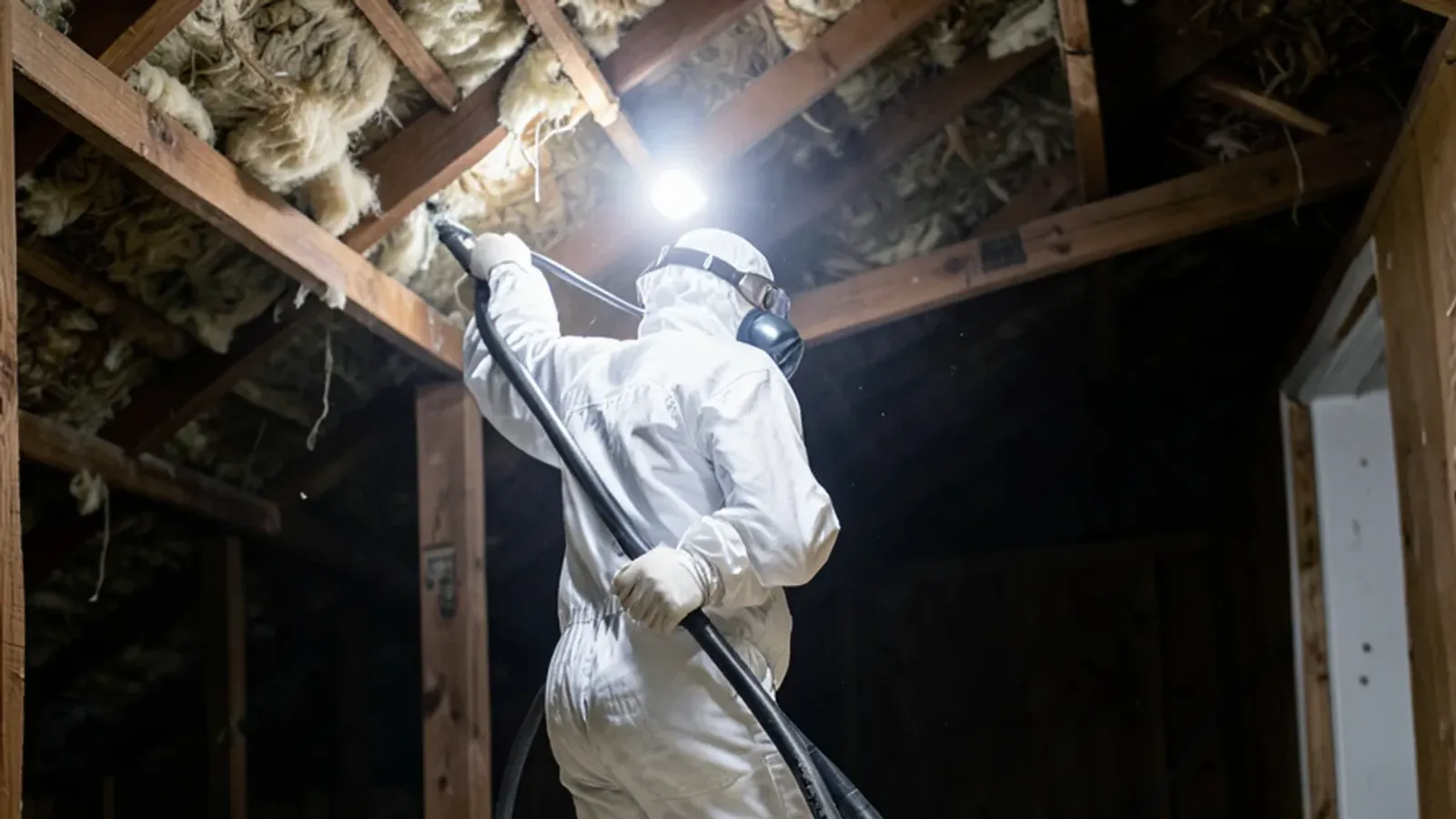
- Trap and verify. We trap the rats inside, advise on droppings cleanup and return to confirm the activity has stopped.
Talk to a licensed pro
Call for a free estimate — we inspect, explain the finding and quote in writing before any treatment.
- Licensed — SPCB #5209
- 4.8★ on Google (20)
- Serving since 2007
- Free Estimates
What affects the price
- Number of entry points to seal
- Attic accessibility
- Whether cleanup and the follow-up are included
Why choose Budget Pest Control for rat control
- Exclusion plus trapping, not trapping alone
- Branch 2 covers rodent work — operator #11136, verify at pestboard.ca.gov
- Owner inspects and explains the plan
- Local since 2007
Rat Control in San Jose & the South Bay
Roof rats dominate rat calls across San Jose, running the fence lines and fruit trees left from the valley’s orchard days and the Coyote Creek and Guadalupe River corridors. Norway rats turn up lower down, in sewers, crawlspaces and ground burrows. The route in tells us where to seal.
Signs you have a rat problem in San Jose
Roof rats are climbers and night workers, so the evidence shows up overhead and after dark. You hear scurrying and scratching in the attic or upper walls once the house goes quiet, find dark, spindle-shaped droppings along beams and on top of cabinets, and see grease-marked runways where their oily fur rubs a joist or pipe. Gnawed wire insulation, chewed fruit under a backyard tree, and a nest of shredded insulation complete the picture. They travel fixed routes — fences, wires and limbs to the roofline — so the sign clusters along those highways. A single rat rarely stays single for long, so acting on the first scratching keeps the job small.
- Scratching or scurrying overhead and in walls after dark
- Dark, spindle-shaped droppings along beams and cabinet tops
- Greasy rub marks on joists, pipes and roofline runways
- Gnawed wiring, boxes or fruit from a backyard tree
- Nests of shredded insulation or paper in the attic
- Rats seen running fence tops, wires or tree limbs at dusk
What rat control costs in San Jose
Rat control is priced on the number of entry points to seal, how accessible the attic and roofline are, and whether droppings cleanup and a verification follow-up are included. Trapping a handful of rats in an easy-access attic with two gaps is a smaller job than a multi-entry roofline on a two-story with a tight crawlspace. On statewide estimates a one-time general pest visit runs about $125–$350, though a full trap-and-exclusion job is typically scoped higher because the sealing is what makes it last. We inspect, map the routes and put the scope in writing before we start. On two-story homes the roofline inspection takes longer, which the quote reflects, but it is where the real entry points usually are.
AB 1788 and why we trap and seal
Rodent work is Branch 2 of California’s Structural Pest Control Board, and Budget Pest Control holds SPCB registration #5209 under operator #11136 — verify at pestboard.ca.gov. California’s AB 1788, the California Ecosystems Protection Act, sharply restricted second-generation anticoagulant rodenticides, which is part of why our rat work centers on trapping and exclusion rather than scattering bait. Sealing the roofline and vent entries is not an upsell — it is the step that stops the next rat from following the same fence-line route the last one used.