Rodent droppings cleanup in San Jose has to be done carefully, because sweeping or vacuuming dry droppings sends particles into the air. Budget Pest Control removes contaminated droppings and nesting material after a rodent job, handles soiled insulation, and sanitizes the area — so the attic or crawlspace is safe again, not just empty.
What a rodent droppings cleanup job includes
- Removal of droppings, urine-soiled material and nesting debris
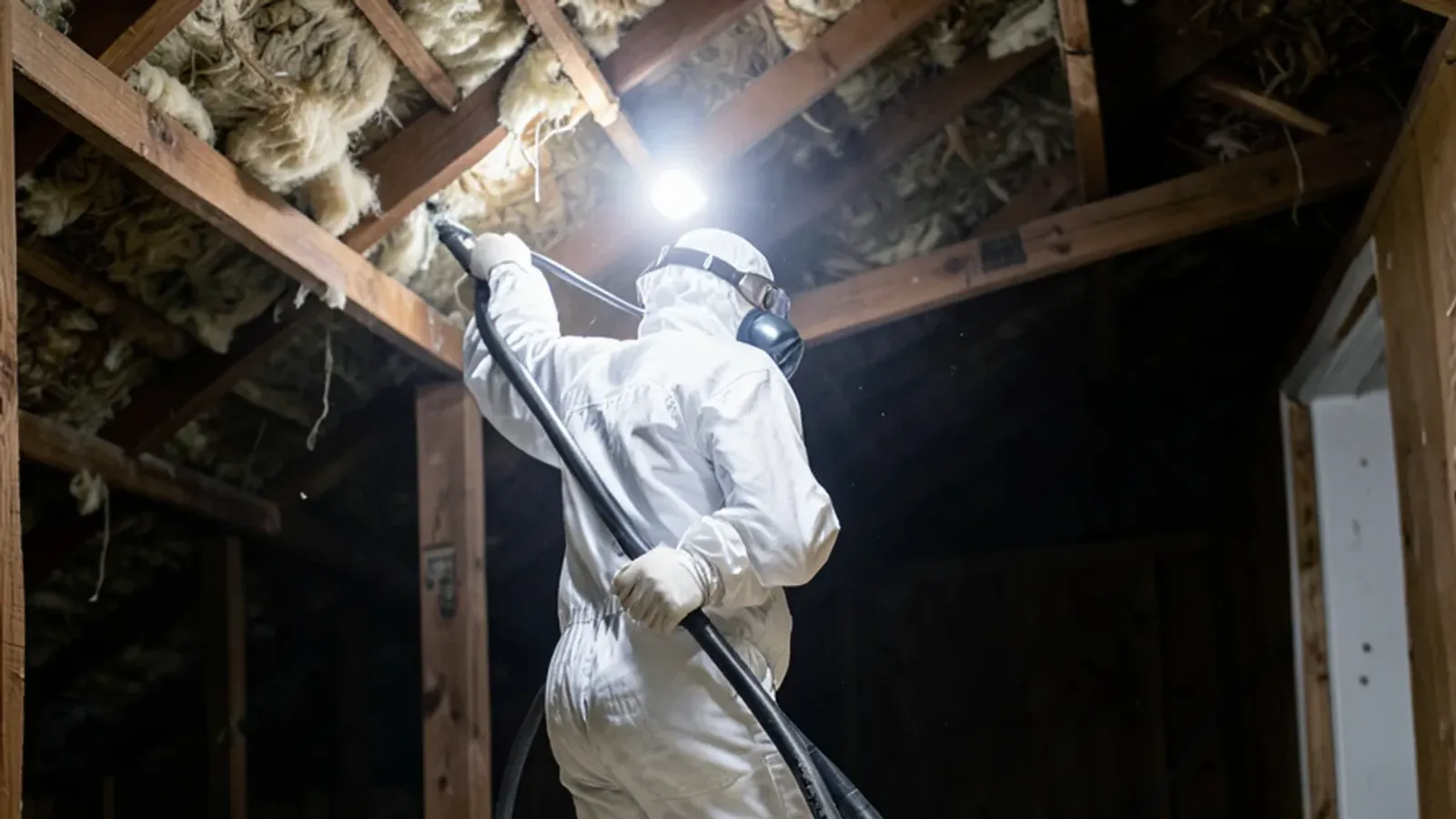
- Handling of contaminated attic or crawlspace insulation where needed
- Sanitizing of affected surfaces
- Odor reduction from rodent soiling
- Pairing with exclusion so cleanup is not undone
How we handle it, step by step
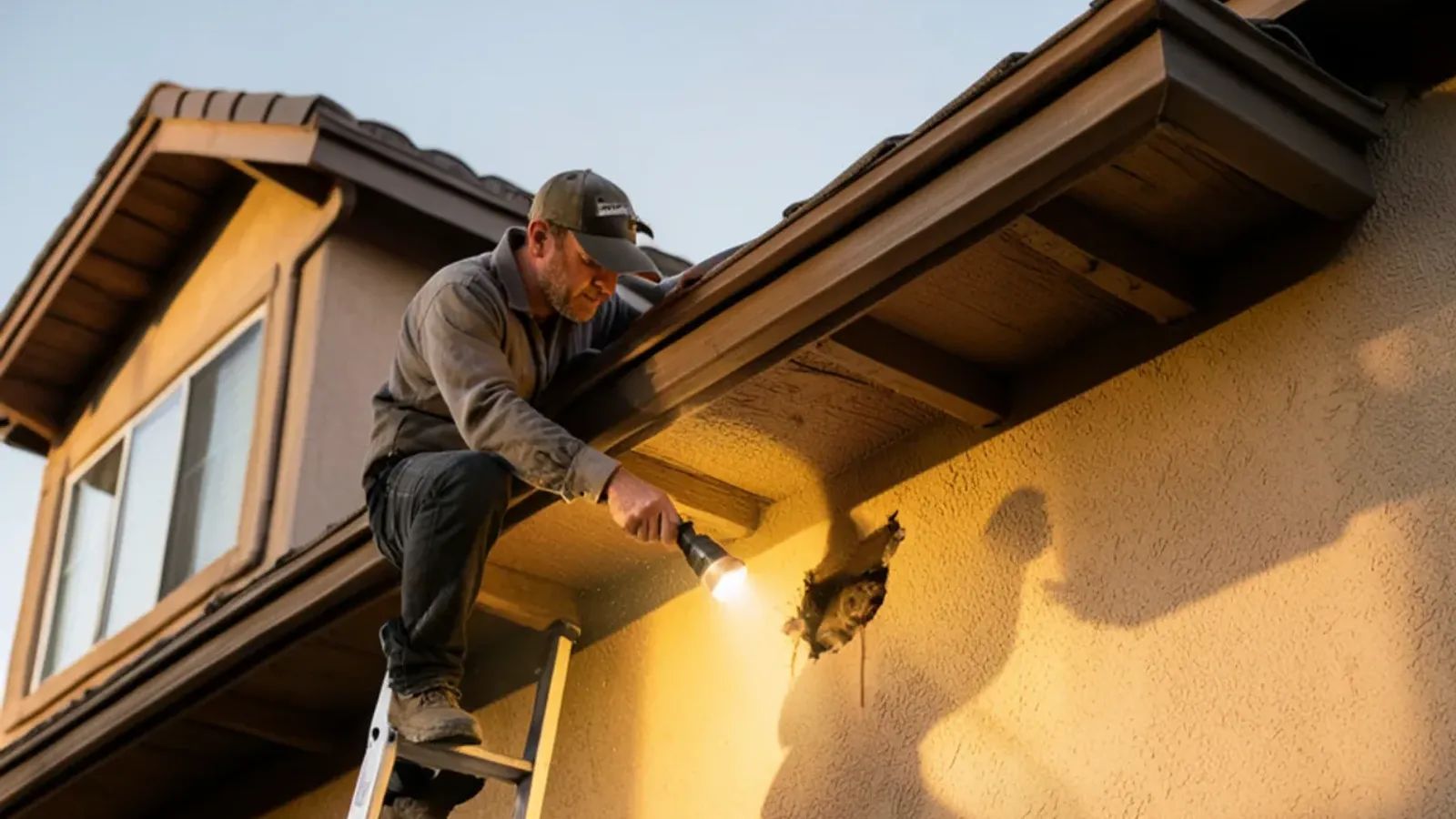
- Assess. We evaluate the extent of droppings, soiled insulation and nesting material in the attic, crawlspace or wherever rodents lived.
- Remove safely. We remove droppings and debris using methods that avoid stirring particles into the air, rather than dry sweeping.
- Sanitize. We sanitize the affected surfaces and address odor from rodent soiling.
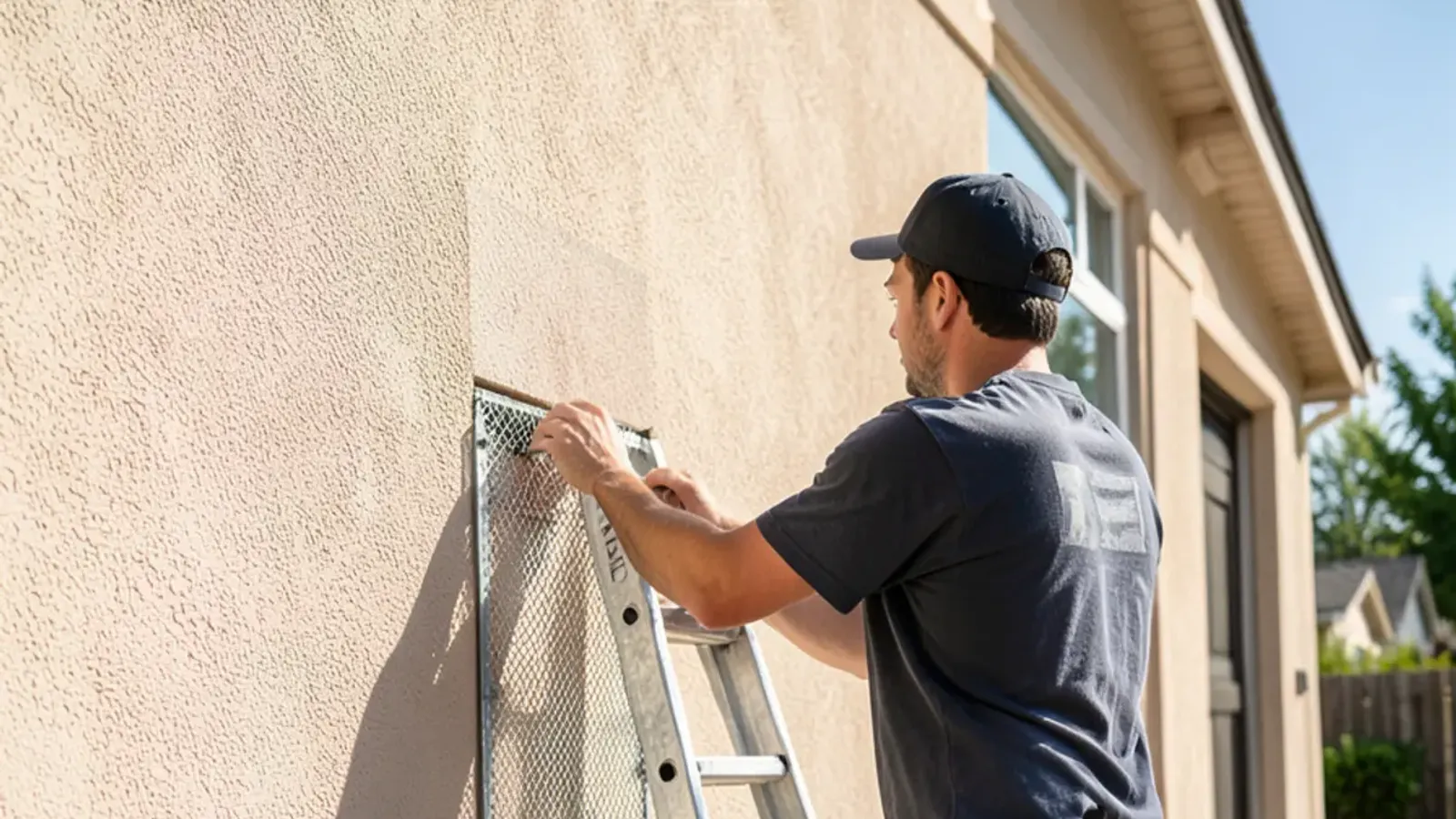
- Seal first. We pair cleanup with exclusion so new rodents do not immediately re-soil the cleaned space.
Talk to a licensed pro
Call for a free estimate — we inspect, explain the finding and quote in writing before any treatment.
- Licensed — SPCB #5209
- 4.8★ on Google (20)
- Serving since 2007
- Free Estimates
What affects the price
- Extent of contamination and area size
- Whether insulation must be removed and replaced
- Attic and crawlspace accessibility
Why choose Budget Pest Control for rodent droppings cleanup
- Done the safe way, not dry-swept
- We seal first so cleanup lasts
- Licensed SPCB operator (#11136) — verify at pestboard.ca.gov
- Local since 2007
Rodent Droppings Cleanup in San Jose & the South Bay
After roof rats live in a San Jose attic, they leave droppings and soiled insulation that keep an odor and can draw more rodents. Because many local homes have accessible attics and crawlspaces, cleanup and exclusion naturally go together after a rat job.
Why rodent droppings need careful cleanup in San Jose
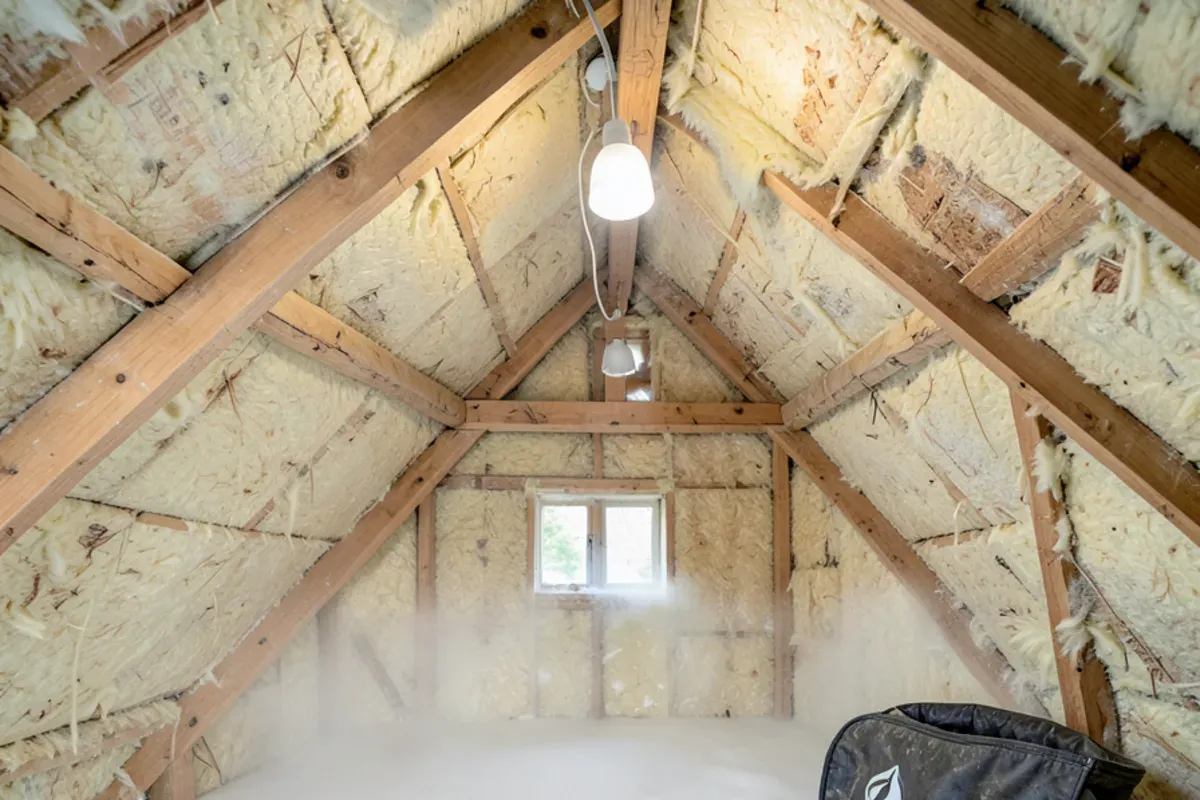
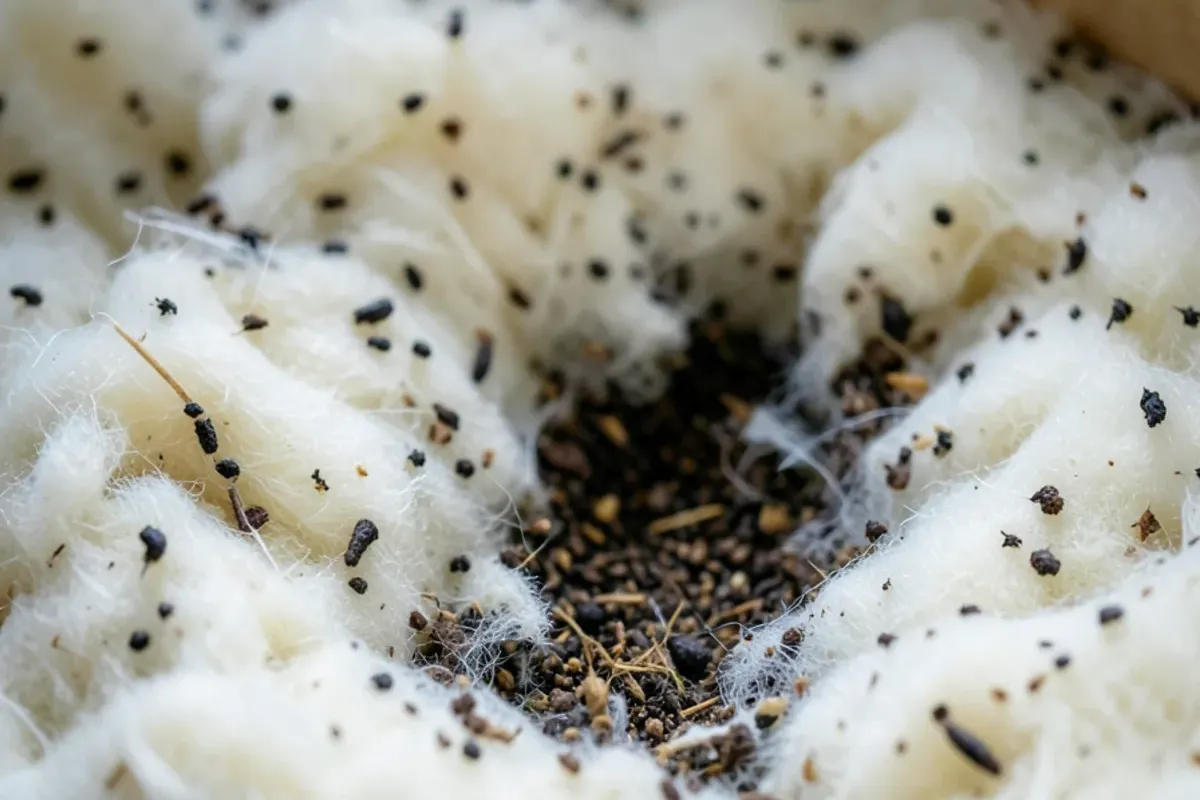
After rats or mice have lived in an attic or crawlspace, they leave droppings, urine-soaked insulation and shredded nesting material behind — and how you remove it matters. Dry sweeping or vacuuming sends fine particles from that debris into the air, which is exactly what you want to avoid. The soiling also holds an odor that lingers and can actually draw new rodents to the same spot. So cleanup is not just tidying an empty space; it is removing contaminated material safely and sanitizing the area so the attic or crawlspace is genuinely usable again.
- Droppings and urine staining across attic or crawlspace insulation
- A persistent musky or ammonia odor after rodents are gone
- Shredded insulation, paper or fabric nests in corners and voids
- Matted, discolored insulation along joists and runways
- Grease-marked runways where rodents traveled repeatedly
- Lingering odor that seems to attract fresh rodent activity
What rodent droppings cleanup costs in San Jose
Cleanup is priced on the extent of the contamination and the area involved, whether soiled insulation has to be removed and replaced, and how accessible the attic or crawlspace is. Spot cleanup of a contained area is a modest job; a heavily soiled attic that needs its insulation stripped and replaced is a larger one. On statewide estimates a one-time general pest visit runs about $125–$350, while remediation with insulation work is scoped separately on the damage. We assess first and tell you honestly whether the insulation can be spot-cleaned or genuinely needs replacing, so you are not paying for more than the job requires. Crawlspaces with low clearance take longer to work safely, which is reflected in the quote for larger soiled areas.
The safe method public-health guidance calls for
This work falls under Branch 2 of California’s Structural Pest Control Board, and Budget Pest Control holds SPCB registration #5209 under operator #11136 — verify at pestboard.ca.gov. Public-health guidance from agencies including Santa Clara County stresses not dry-sweeping rodent droppings but wetting and removing them to keep particles out of the air, then disposing of the material properly. We follow that principle, and we sequence the job correctly: seal the entry points and remove the active rodents first, then clean, so the space is not re-soiled the week after it is finished.