Mouse control in San Jose has to close the gaps as well as trap the mice — a house mouse fits through a hole the size of a dime, so the entry points matter more than the trap count. Budget Pest Control finds those gaps around pipes, vents, garage doors and the foundation, traps the mice and seals them out.
What a mouse control job includes
- Inspection of kitchens, garages, utility areas and wall voids for mouse activity
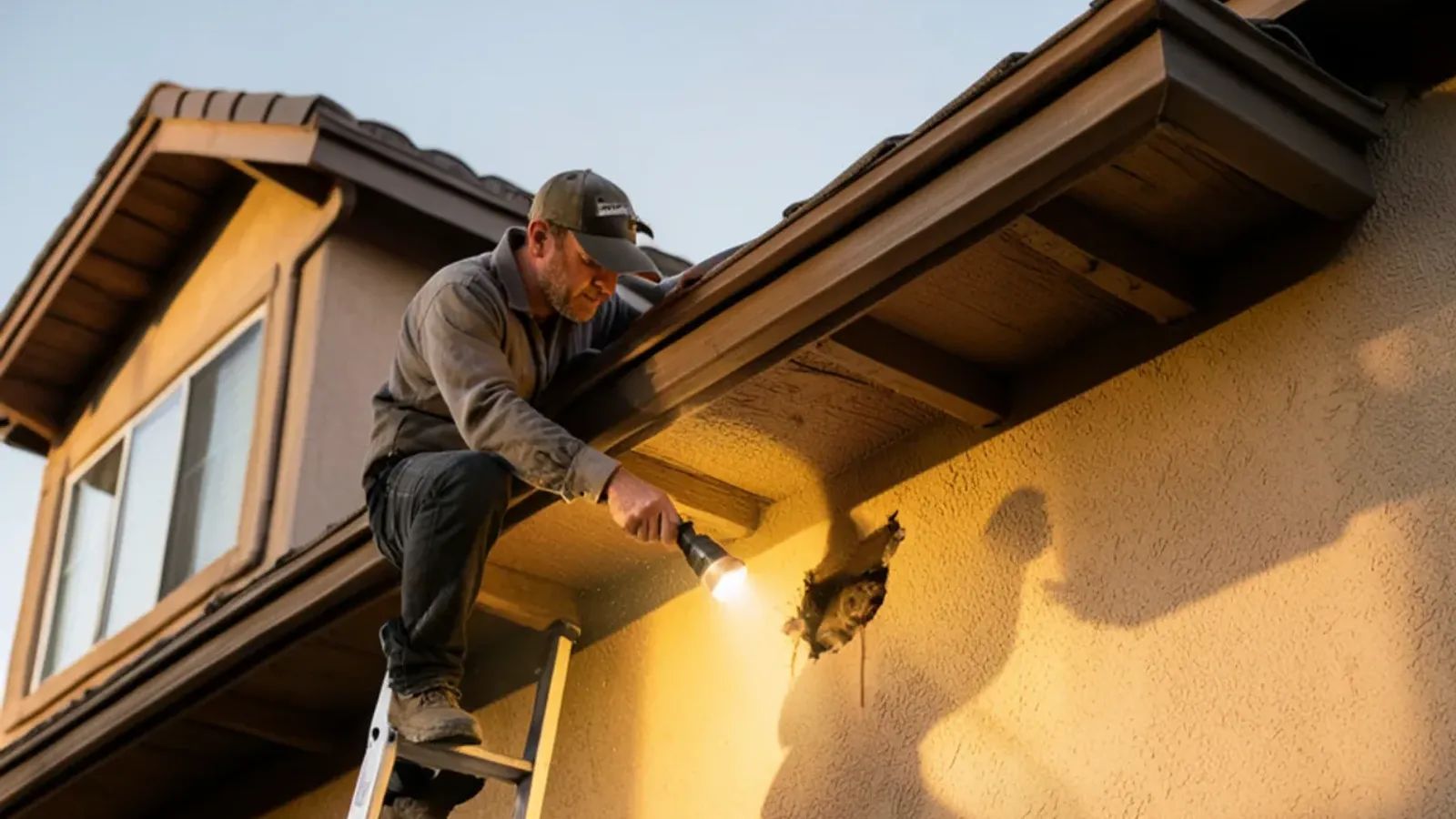
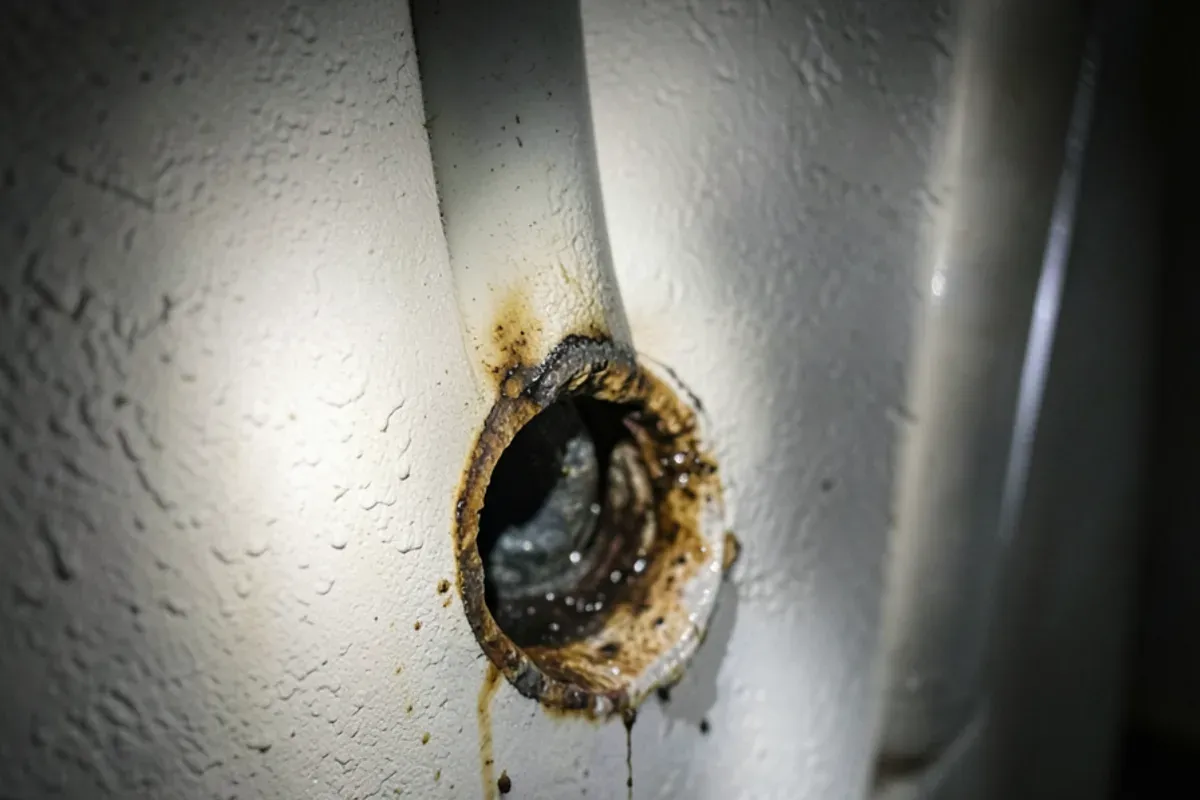
- Identification of the dime-sized gaps mice use
- Trapping of the active mice
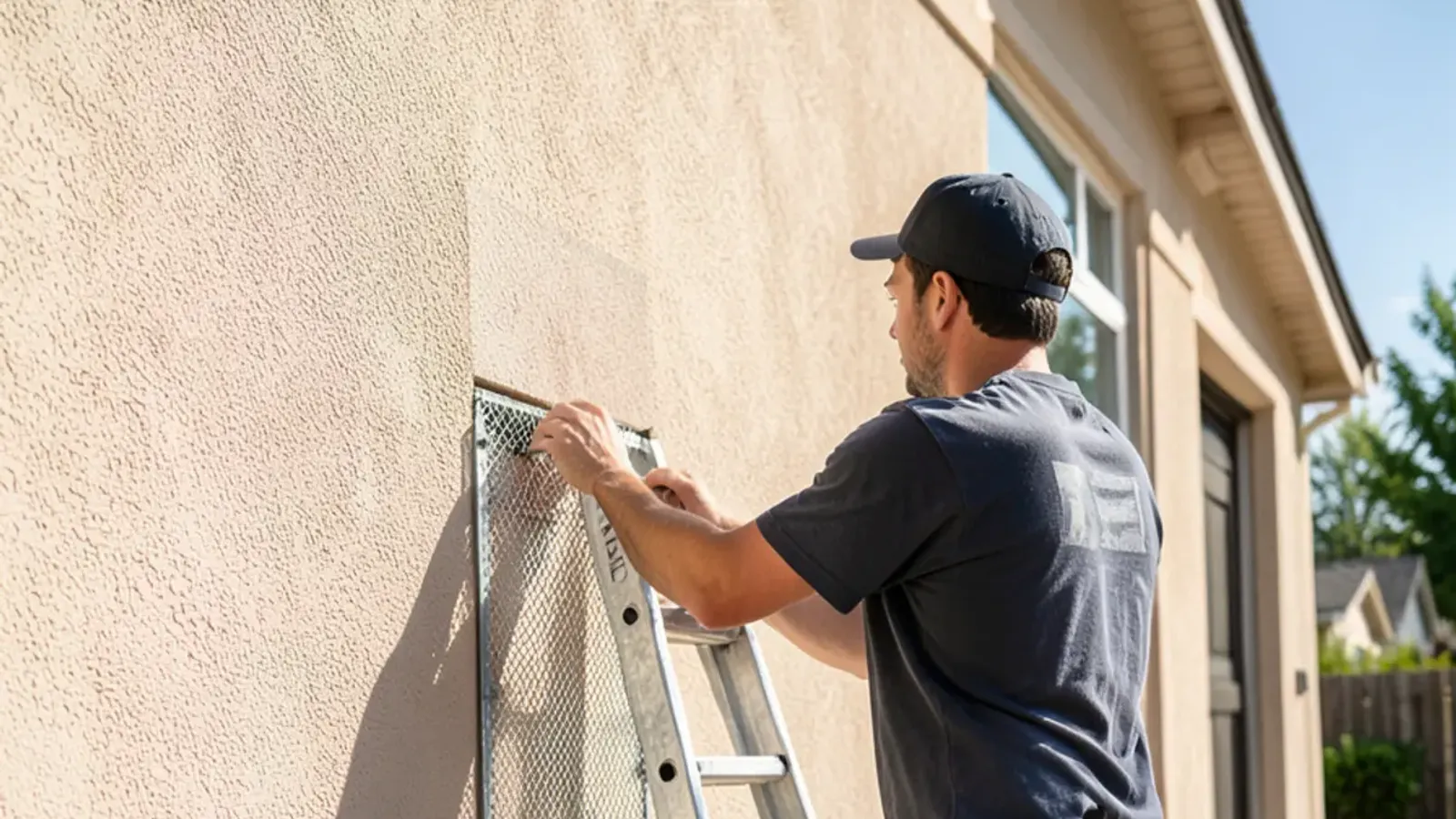
- Sealing of entry points around pipes, vents and the foundation
- Cleanup guidance and a follow-up visit
How we handle it, step by step
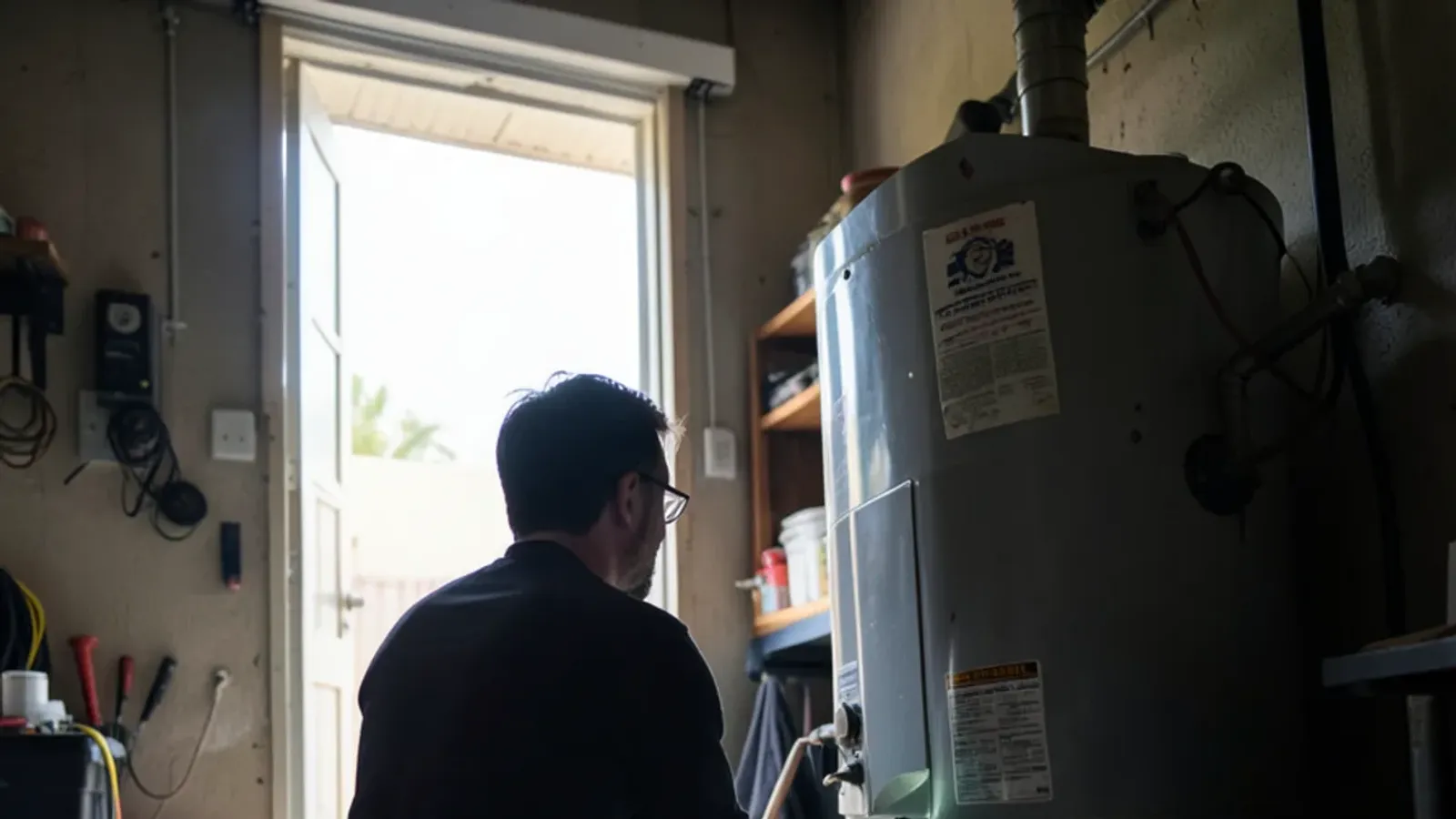
- Inspect. We look for droppings, grease marks and nests in kitchens, garages, pantries and wall voids, and find the gaps mice are using.
- Seal the gaps. We close entry points around pipes, vents, garage door corners and the foundation — anything wider than a dime.
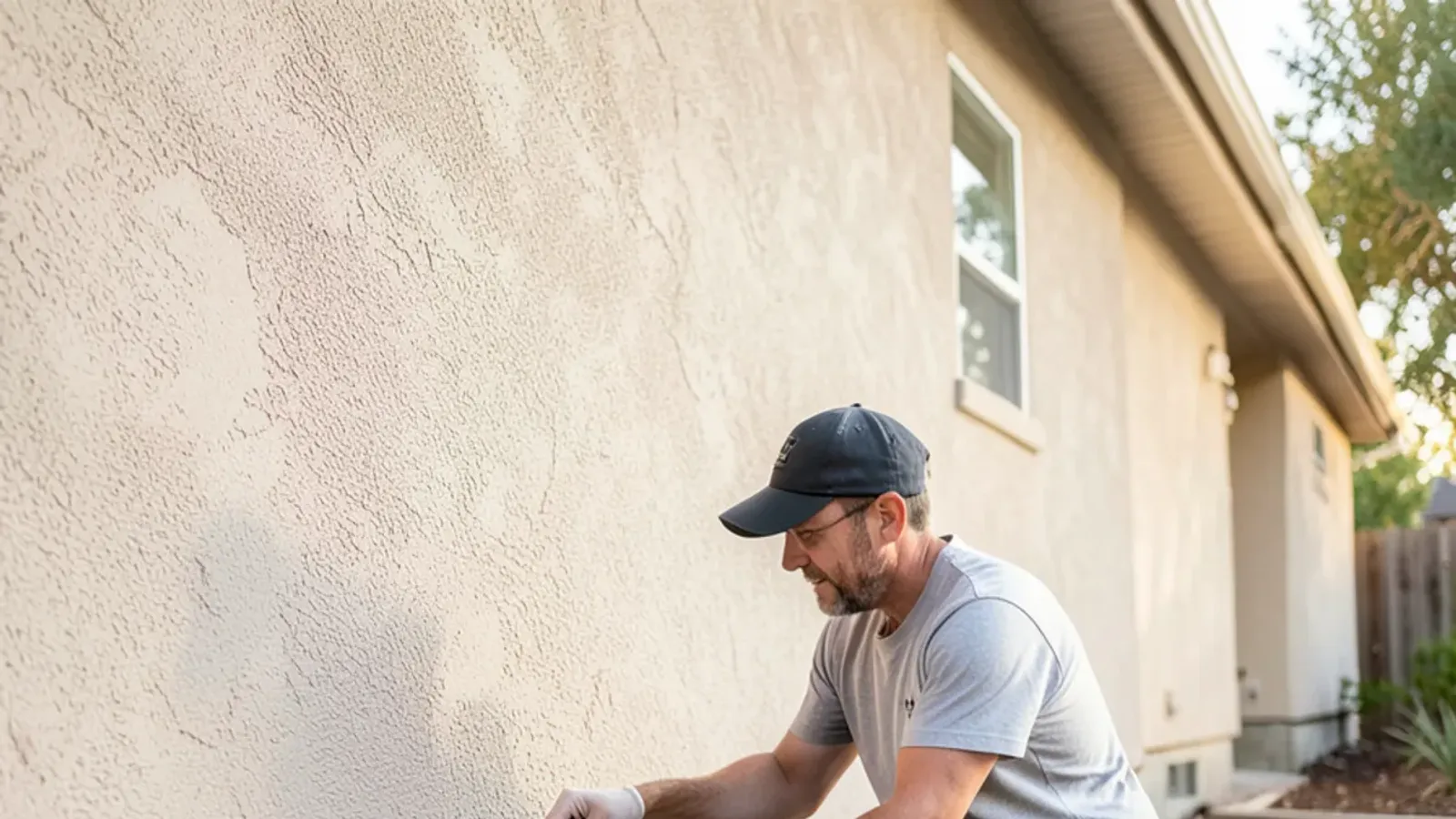
- Trap. We set traps along the runways where mice actually travel, kept away from children and pets.
- Verify. We advise on cleanup and return to confirm the mice are gone and no new gaps have opened.
Talk to a licensed pro
Call for a free estimate — we inspect, explain the finding and quote in writing before any treatment.
- Licensed — SPCB #5209
- 4.8★ on Google (20)
- Serving since 2007
- Free Estimates
What affects the price
- Number of entry points to seal
- Size of the home and areas affected
- Whether cleanup and follow-up are included
Why choose Budget Pest Control for mouse control
- We seal the dime-sized gaps, not just set traps
- Branch 2 covers rodent work — operator #11136, verify at pestboard.ca.gov
- Pet-conscious trap placement
- Local since 2007
Mouse Control in San Jose & the South Bay
House mice slip into San Jose homes through gaps around utility penetrations, garage door corners and foundation vents, and a cold snap pushes them indoors toward warmth and kitchen crumbs. Because mice breed fast, sealing the entry points quickly is what keeps a few from becoming an infestation.
Signs you have a mouse problem in San Jose
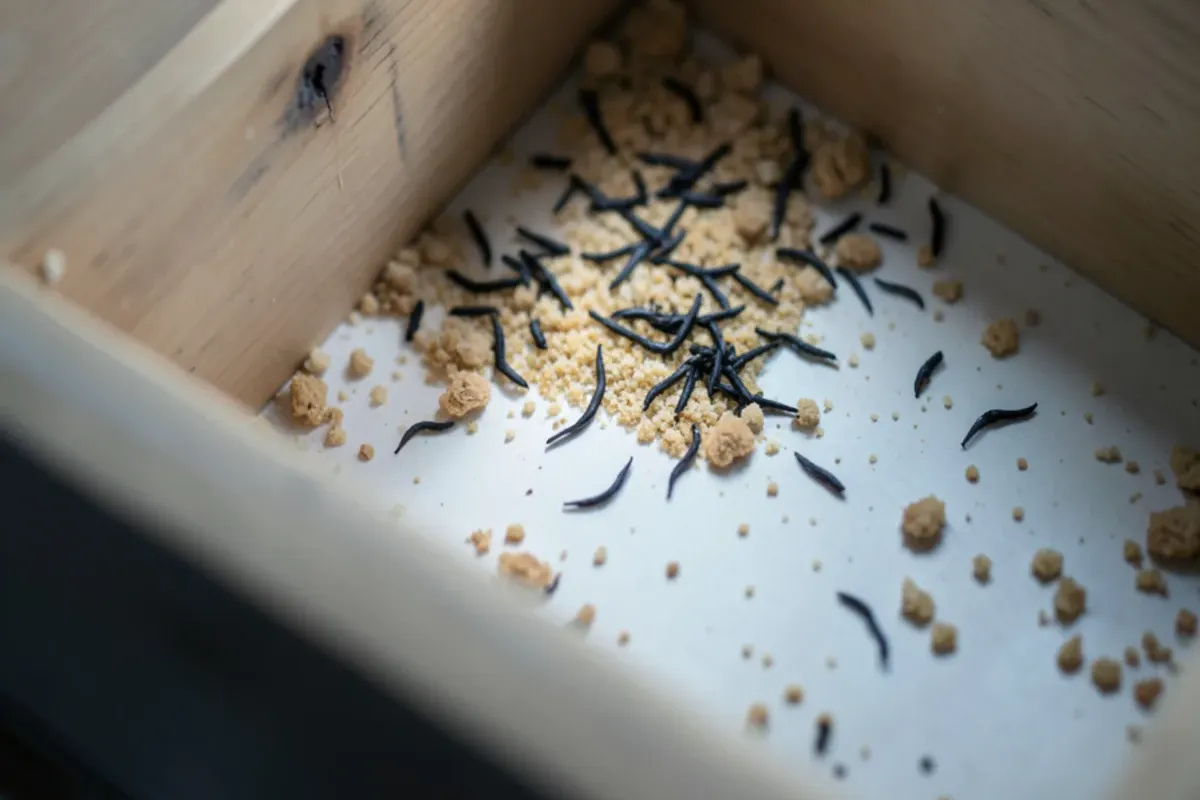
Mice stay close to food and shelter, so the signs show up low and near the kitchen rather than up in the attic. You find small, rice-grain droppings scattered in drawers, under the sink and along baseboards, smell a faint musky odor in a cabinet, and hear light scratching in a wall at night. Gnaw marks on food packaging, a nest of shredded paper behind the stove, and greasy smudges along a baseboard runway fill out the picture. Because a mouse squeezes through a gap the size of a dime, the entry points matter more than the trap count.
- Small, scattered rice-grain droppings in drawers and under sinks
- A musky odor building in a cabinet or pantry
- Light scratching or scurrying in a wall at night
- Gnawed food boxes, bags and packaging in the kitchen
- Shredded-paper nests behind appliances or in the garage
- Greasy smudge marks along a baseboard or pipe run
What mouse control costs in San Jose
Mouse control is priced on the number of entry points to seal, the size of the home and the areas affected, and whether cleanup and a follow-up visit are bundled in. A few gaps around kitchen utilities is a smaller job than a house with a breached garage, foundation vents and multiple pipe penetrations feeding mice into the walls. On statewide estimates a one-time general pest visit runs about $125–$350, with a full trap-and-seal job scoped higher because the sealing is the lasting part. Since mice breed quickly, we move fast on the entry points so a few do not become an infestation. Garages with weatherstripping gaps are the most common quick win, often cutting the bulk of the traffic on the first visit.
AB 1788 and sealing the dime-sized gaps
Mouse work is Branch 2 general pest work under California’s Structural Pest Control Board; Budget Pest Control holds SPCB registration #5209 under operator #11136, verifiable at pestboard.ca.gov. As with rats, California’s AB 1788 restricted the strong anticoagulant baits that programs once leaned on, so our licensed approach pairs trapping with exclusion. We seal every gap wider than a dime around pipes, vents, garage-door corners and the foundation, then trap the mice already inside — because bait alone, where it is even permitted, leaves the open gaps that let the next ones in.